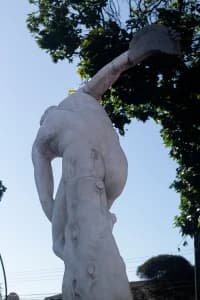
Discobolus of Myron – Sculpture in La Serena
Work
Discobolus of Myron
Author
Myron
Year
c. 450 BC
Work narrative
History
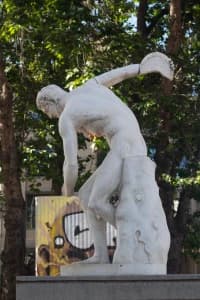
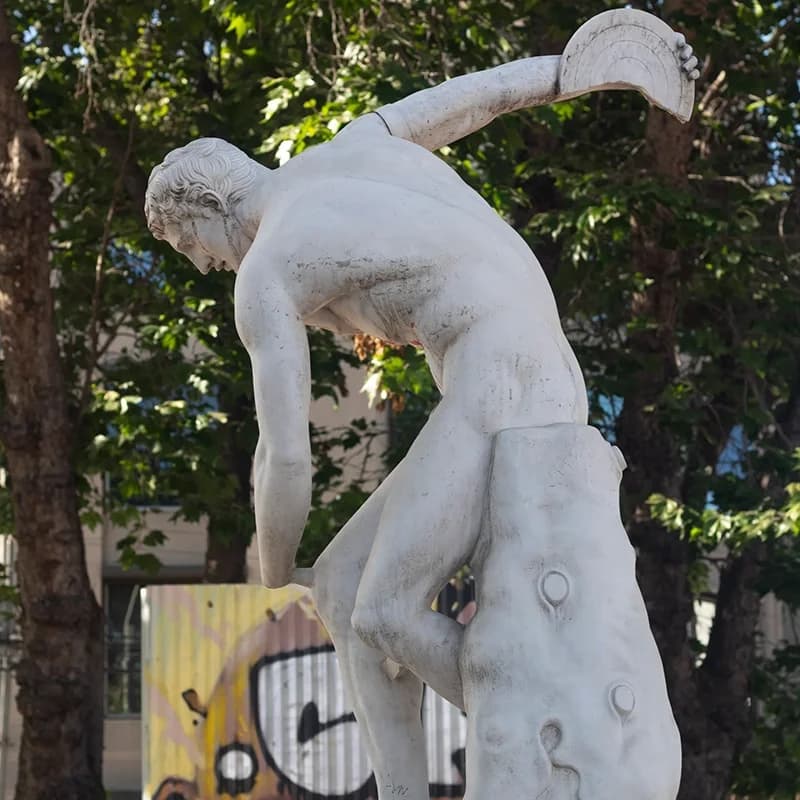
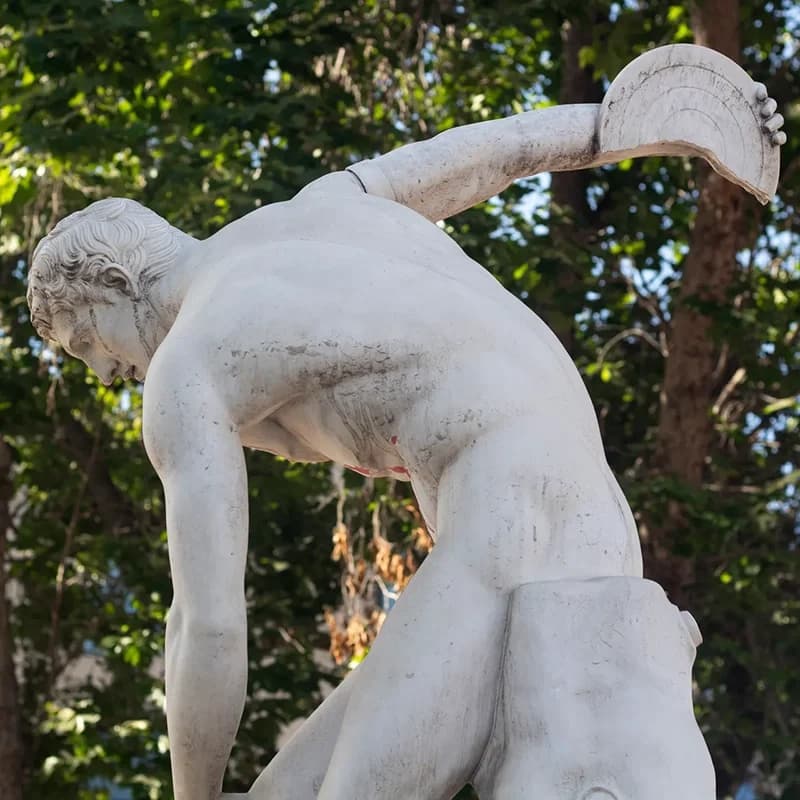
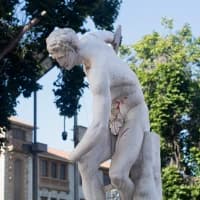
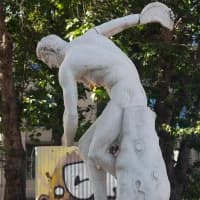
Myron's Discobolus represents an anonymous athlete at the instant before releasing the discus. It does not narrate a myth or portray a deity: its subject belongs to the Greek athletic games, where training joined physical ability, discipline and self-control.
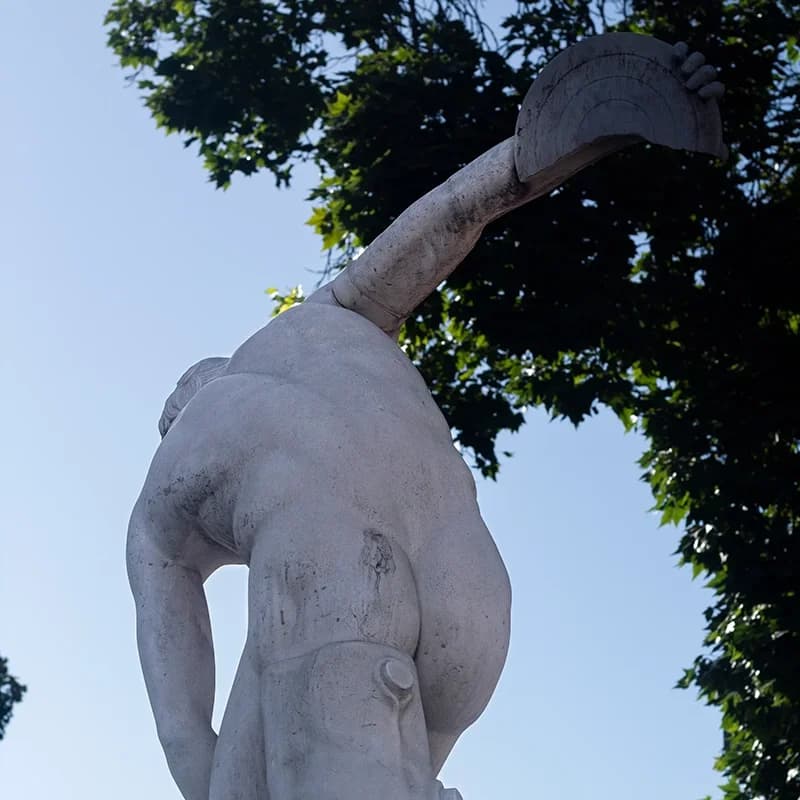
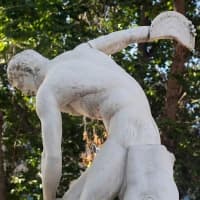
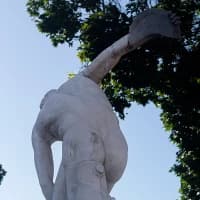
Myron chose the moment of maximum contained tension. The torso bends and twists, the arms form a wide arc and the body stores the force of the coming throw. The face, however, remains calm. That contrast between extreme physical effort and a controlled expression gives the figure its distinctive meaning: mastery of the body at the threshold of movement.
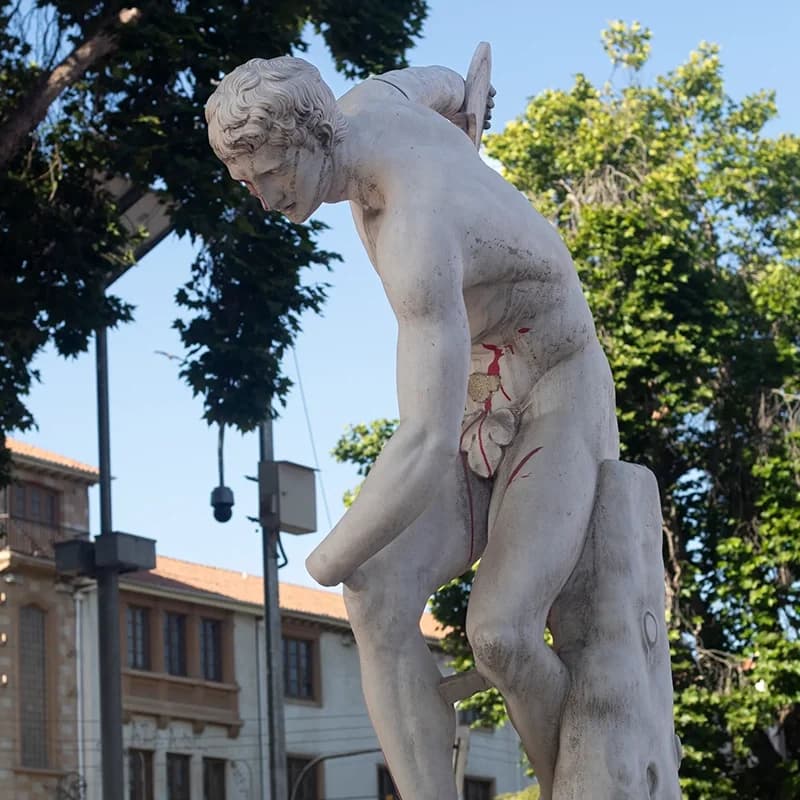
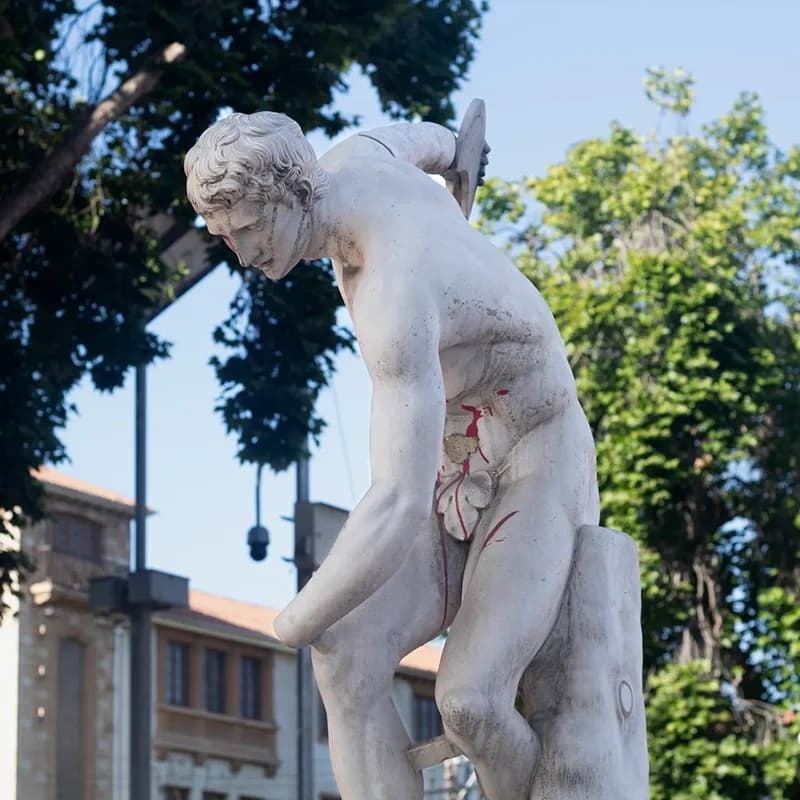
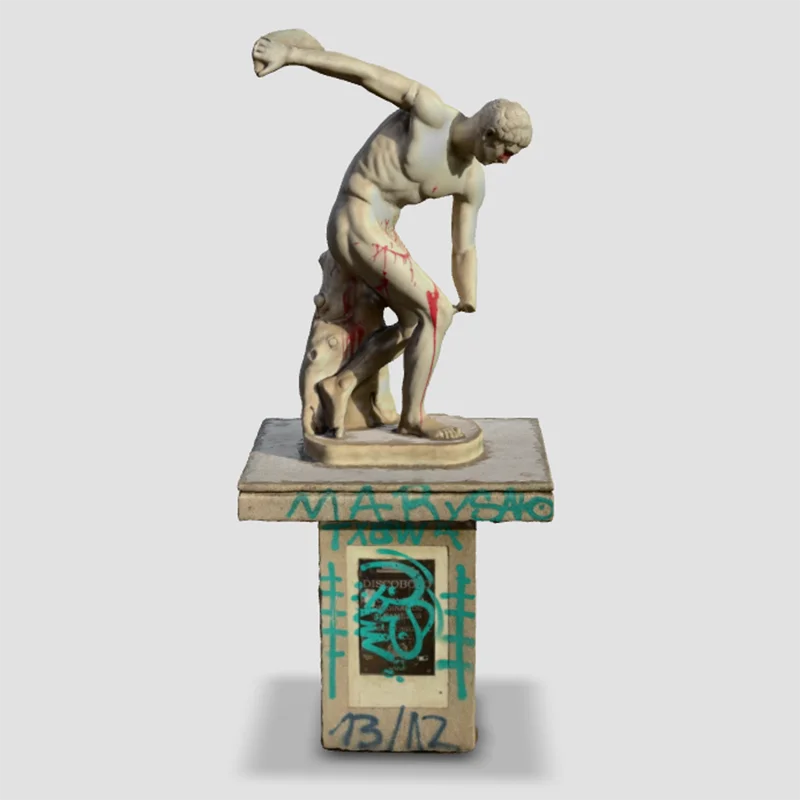
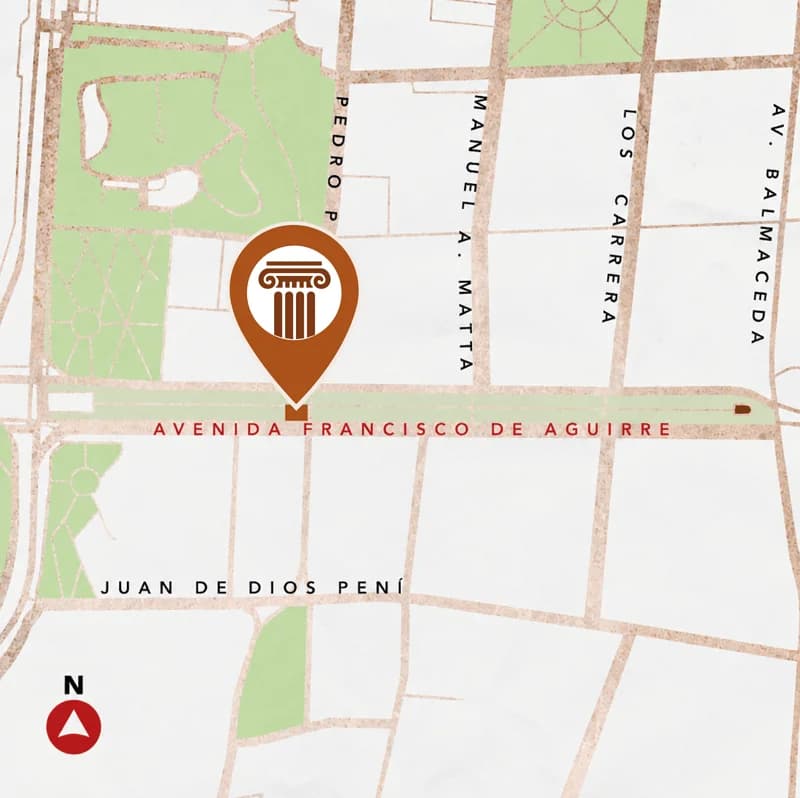
The morphology of the La Serena sculpture corresponds to this dynamic type attributed to Myron, rather than to the upright discus bearer. The original Greek bronze, created around 450 BC, has been lost and is known through later copies. The local marble version was made in Pietrasanta by Secondo Lenzi and installed on Avenida Francisco de Aguirre in 1952.
Its plaque reflects a later mix-up between the avenue's two discus athletes. The dynamic figure by Myron currently bears the identification of the Discobolus of Alkamenes, while the static figure acquired in Rome as the Alkamenes or Enkrinomenos type received the plaque associated with Myron. The date and cause of the exchange have not been established. Enkrinomenos is therefore part of the documentary identity of the other statue, not a textual corruption or an alternative name for Myron's Discobolus.
Work record
Technical Data
AUTHOR
Myron (model); Secondo Lenzi (La Serena reproduction)
CHRONOLOGY
Replica by Secondo Lenzi installed in 1952; original c. 450 BC
MATERIALITY
Carrara marble (Sculpture) and reconstituted marble (Pedestal)
TECHNIQUE
Carved marble
MOVEMENT
Academic Realism
WORK DESCRIPTION
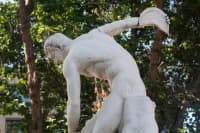
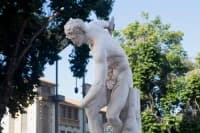
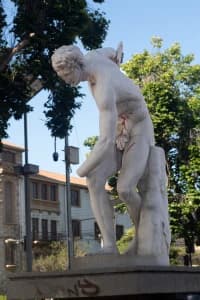
A free-standing sculpture in the round carved in white Carrara marble. It features a helical composition where the weight rests firmly on the right leg, while the torso twists to the side to build momentum. To address the translation of the original bronze into marble, a tree stump was added next to the base to stabilize the weight of the stone.
The work shows the passage of time and interaction with the environment: the pedestal exhibits moisture erosion and signs of anthropogenic interventions. The marble figure shows the complete loss of the fingers on the right hand, minor fractures in the lower limbs, and accumulated layers of graffiti and paint that bear witness to its life in the public space.
General Gallery