
Hebe – Sculpture in La Serena
Work
Hebe
Author
Bertel Thorvaldsen
Year
1806–1807
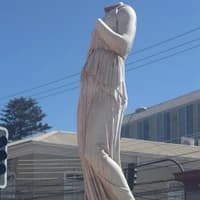
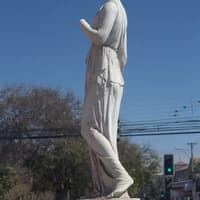
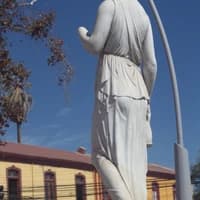
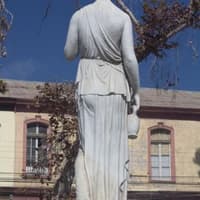
Work narrative
History
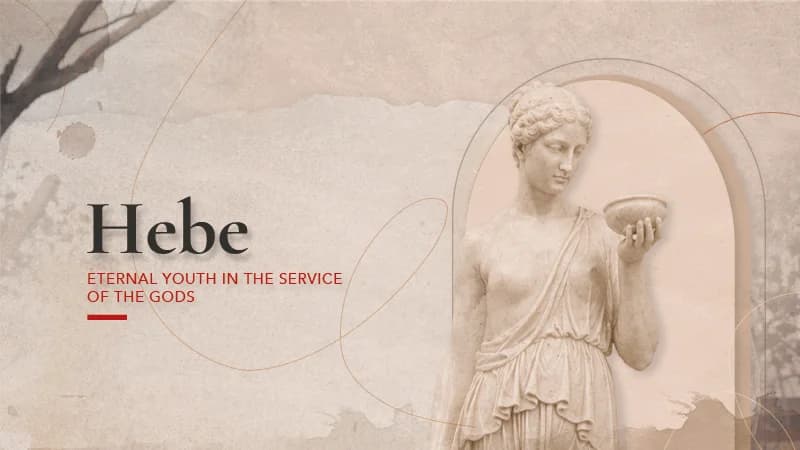
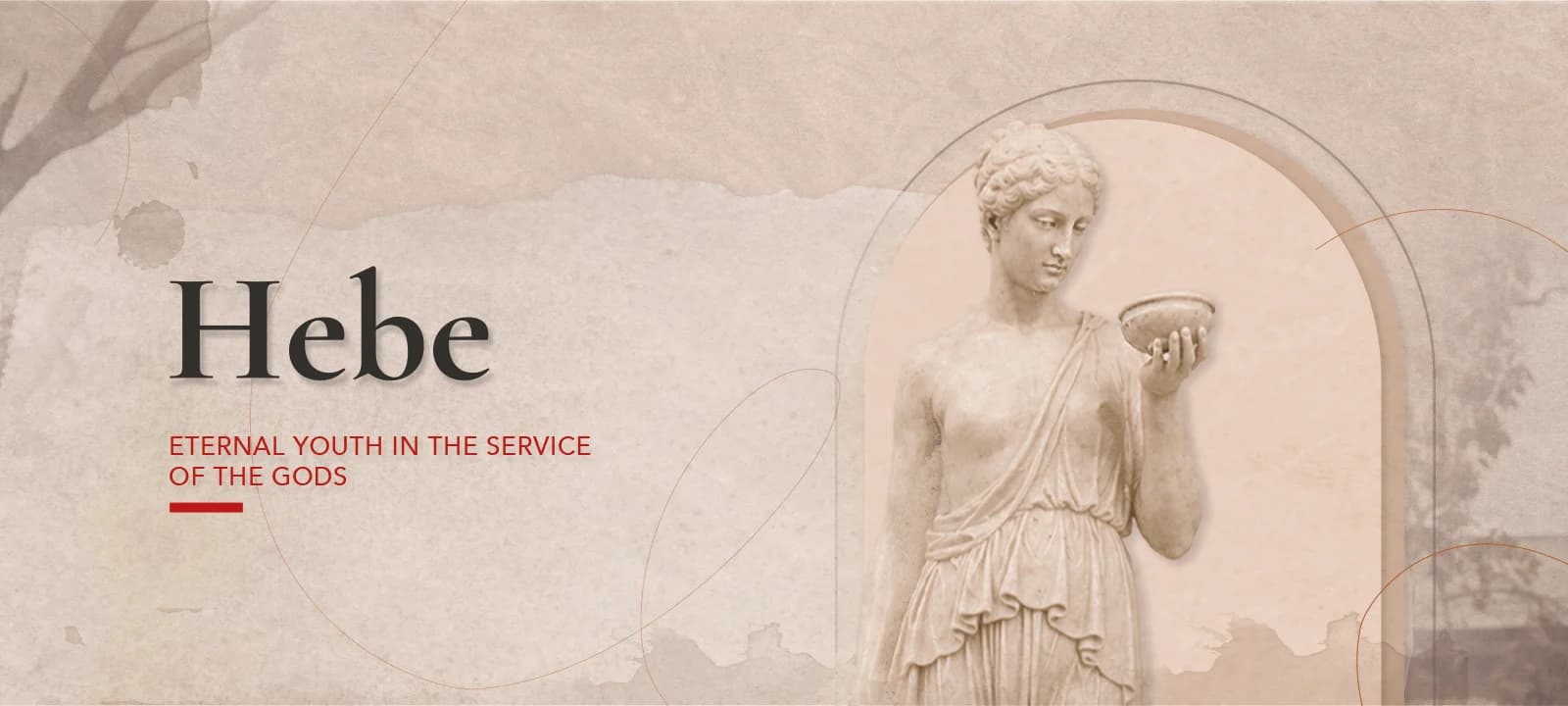
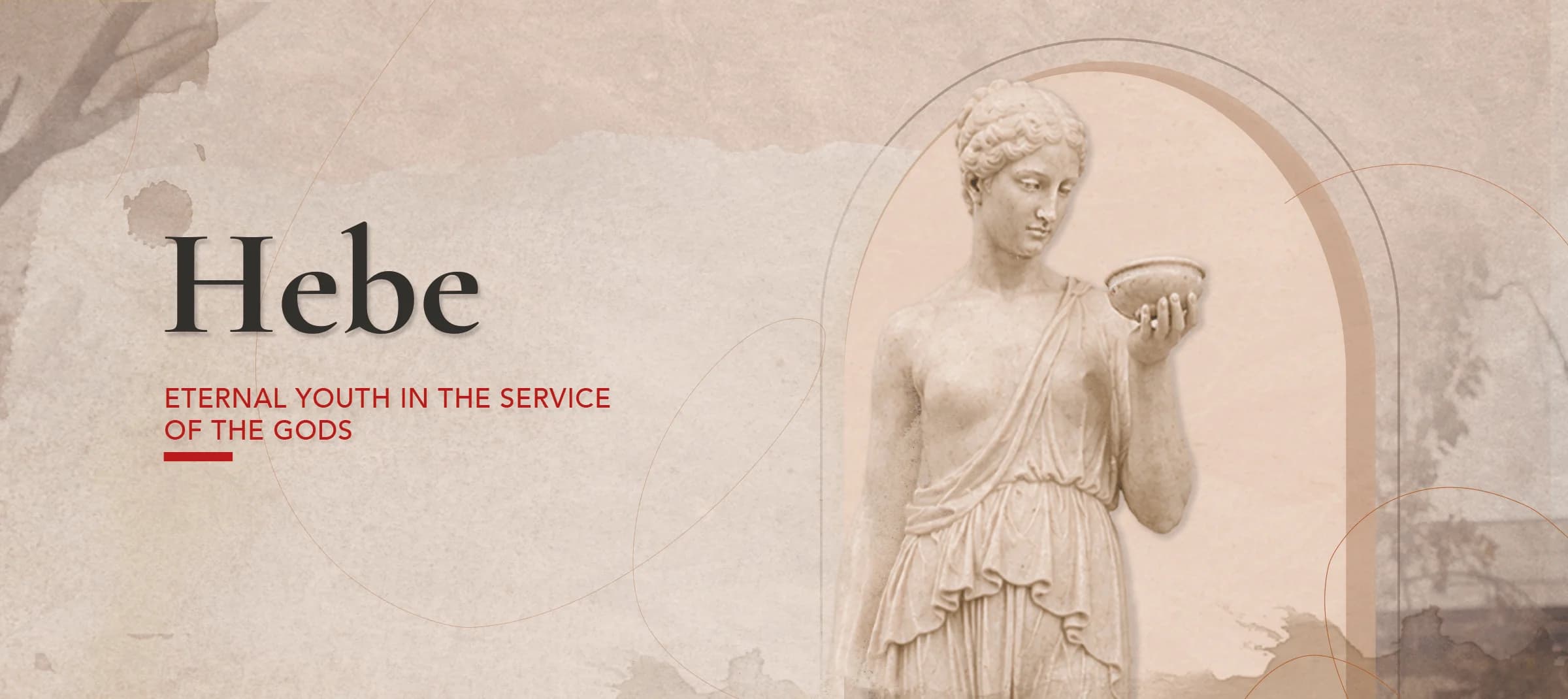
Hebe, daughter of Zeus and Hera, personifies eternal youth in Greek mythology. As cupbearer to the Olympian gods, she served the nectar and ambrosia that preserved their immortality. The pitcher and shallow cup held by the figure identify this ritual function: the composition captures the moment in which the divine drink is poured from one vessel into the other.
Bertel Thorvaldsen developed two principal versions of Hebe in Rome. The first was modelled in 1806–1807 with the right shoulder and breast exposed; a second version, created in 1816, covered the chest completely. Unlike Antonio Canova's airborne and dynamically draped representations of the goddess, Thorvaldsen conceived a stable figure with vertical folds, lowered vessels and no eagle. The exposed right breast visible on the La Serena sculpture identifies it specifically with Thorvaldsen's first version, despite the attribution to Canova repeated in some local publications.
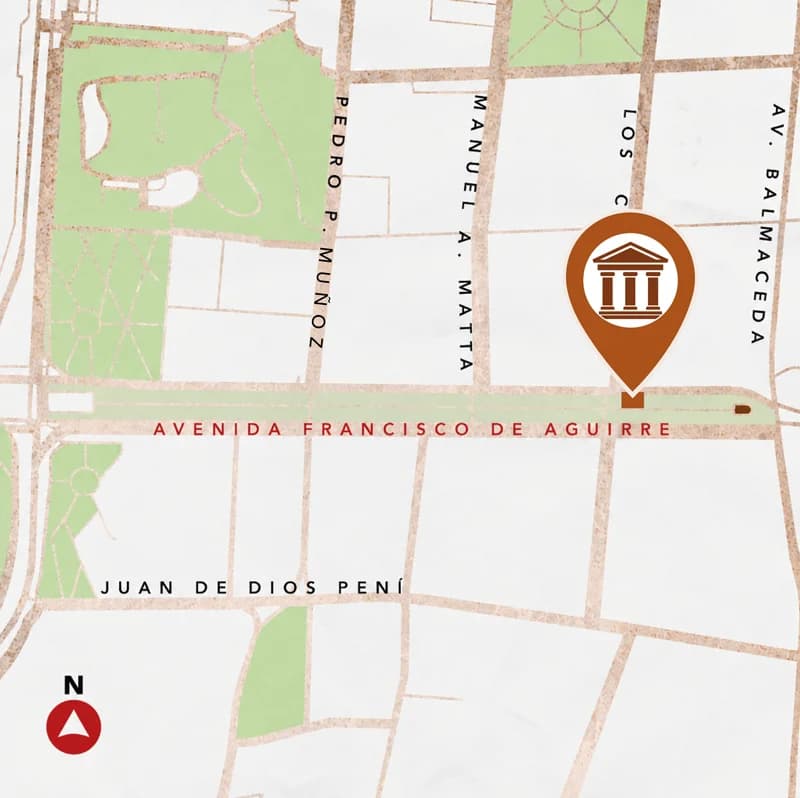
The La Serena reproduction was carved in white Carrara marble by the workshop of Italo Buselli in Pietrasanta, Italy. Its acquisition formed part of the sculptural programme developed for Plan Serena between 1946 and 1952 through the diplomatic work of Raúl Irarrázaval and Antonio Rodríguez. The 1.65-metre figure arrived in La Serena and was installed on Avenida Francisco de Aguirre in October 1952; the open-air ensemble was officially inaugurated on 31 October of that year.
Work record
Technical Data
AUTHOR
Bertel Thorvaldsen (model); workshop of Italo Buselli (La Serena reproduction)
CHRONOLOGY
Marble reproduction acquired and installed in 1952; first Thorvaldsen model, 1806–1807
MATERIALITY
White Carrara marble (sculpture) and stone (pedestal)
TECHNIQUE
Carving in white Carrara marble
MOVEMENT
Neoclassicism (reproduction of a model by Bertel Thorvaldsen)
WORK DESCRIPTION
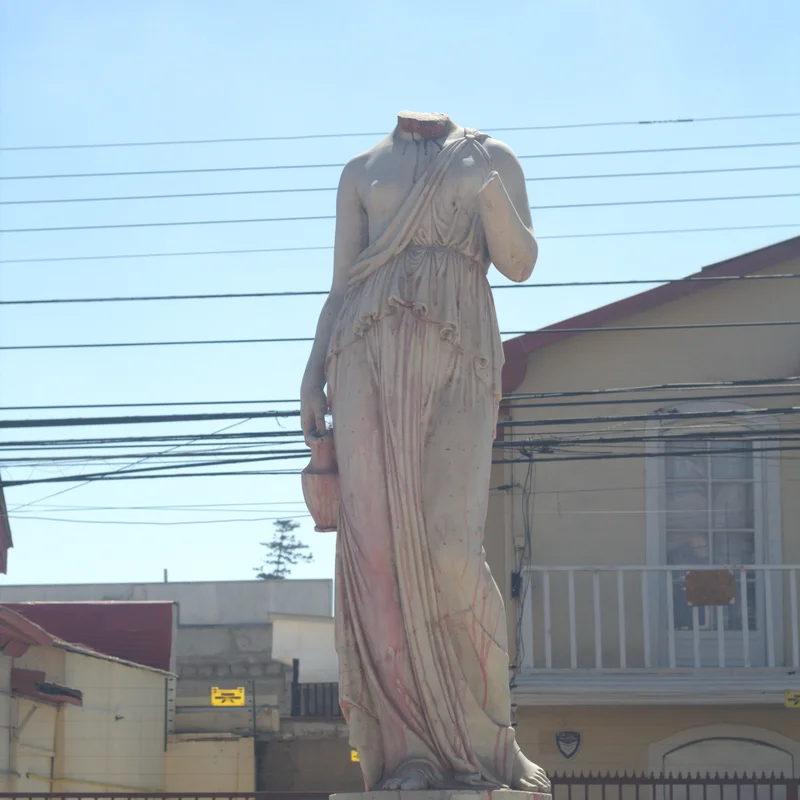
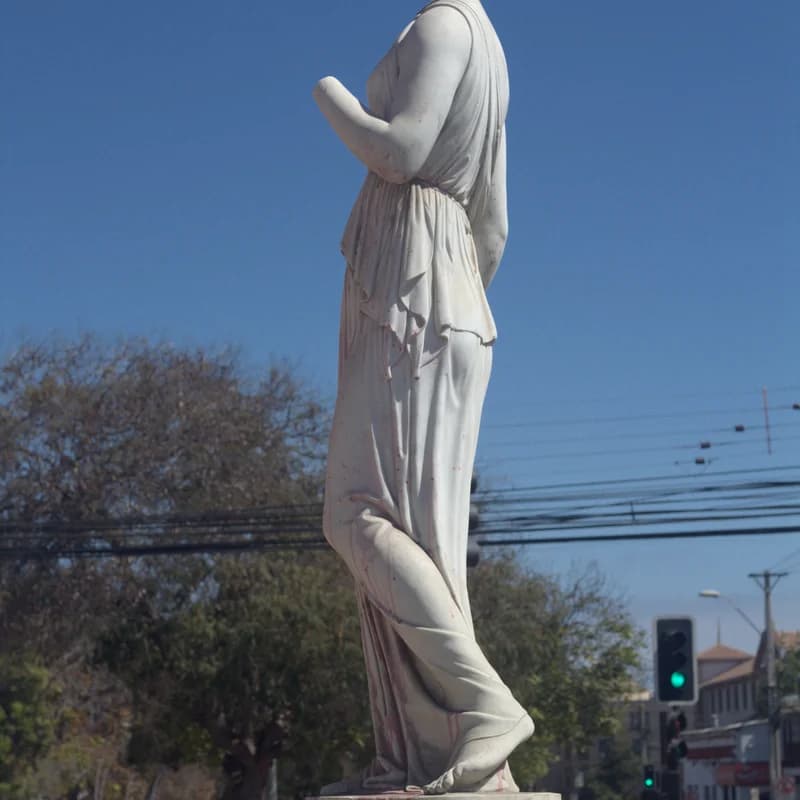
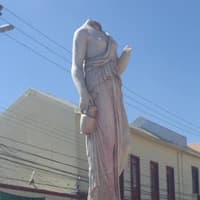
Free-standing sculpture carved in white Carrara marble representing Hebe, the youthful cupbearer of the Olympian gods. The figure stands upright in a stable, contained pose, with the body's vertical axis reinforced by the long fall of the drapery. The weight rests firmly on the feet, without the suspended movement or windblown garments characteristic of other Neoclassical versions of the subject.
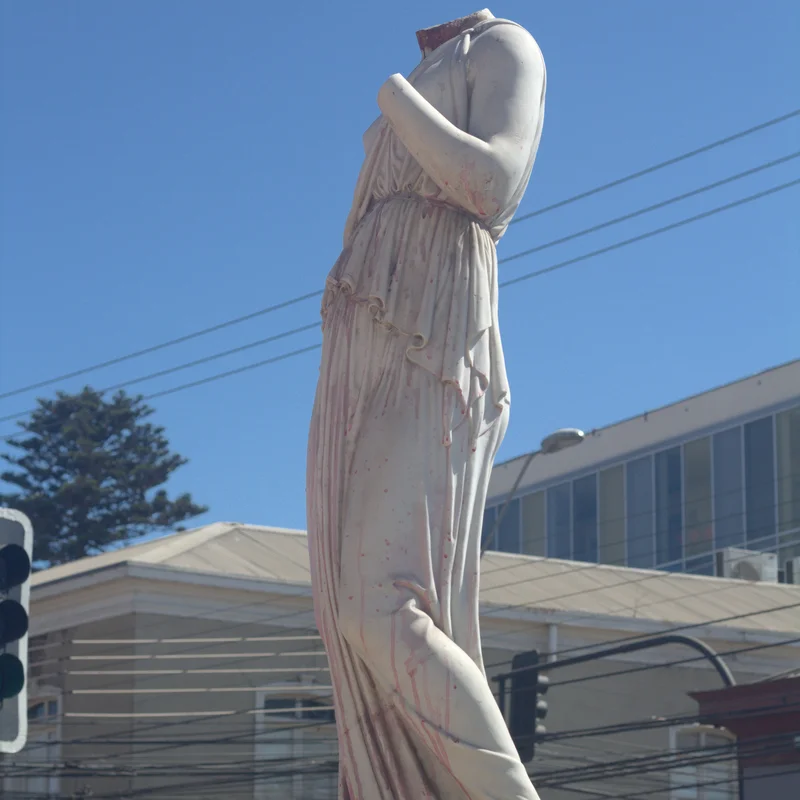
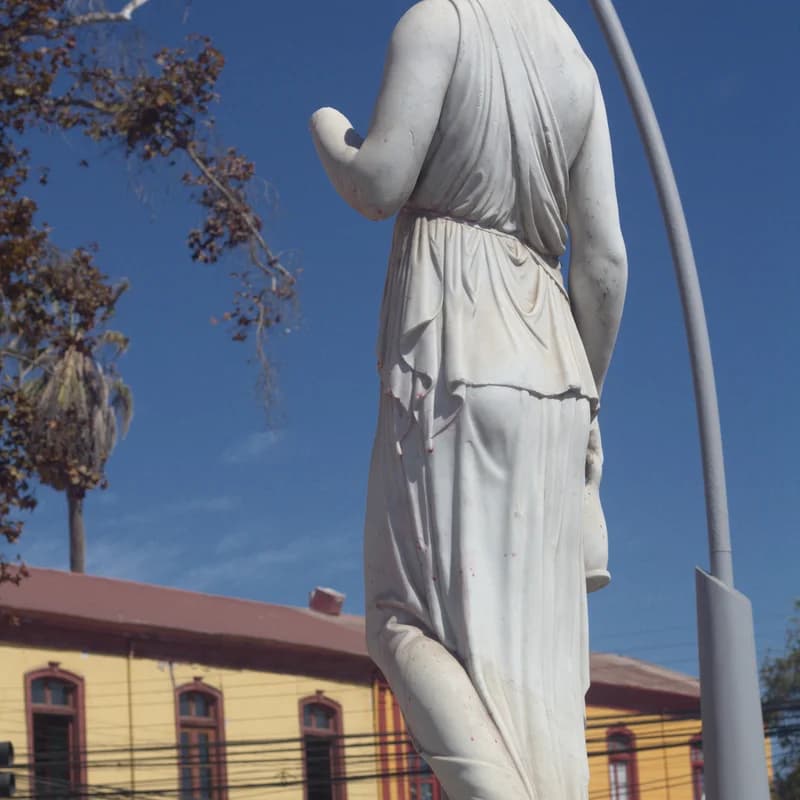
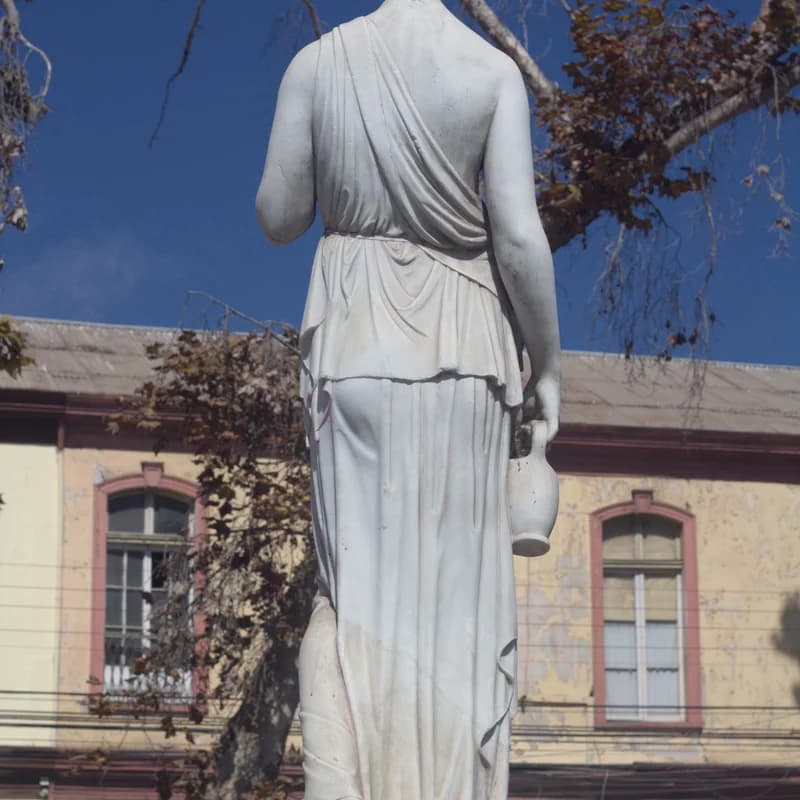
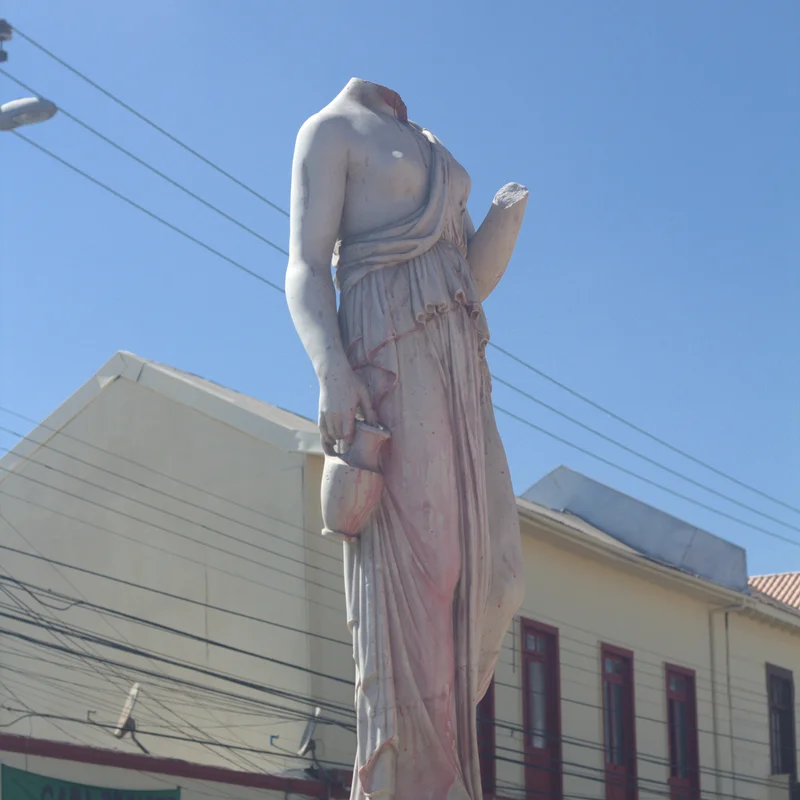
The figure wears a long peplos organised in contiguous vertical folds. The garment is secured over the left shoulder and falls away from the right shoulder, leaving the right breast exposed. One arm descends beside the body holding a pitcher, while the opposite forearm bends in front of the torso to support the shallow receiving vessel. The lowered relationship between the two vessels concentrates the action on the ritual pouring of the divine drink. No eagle accompanies the figure.
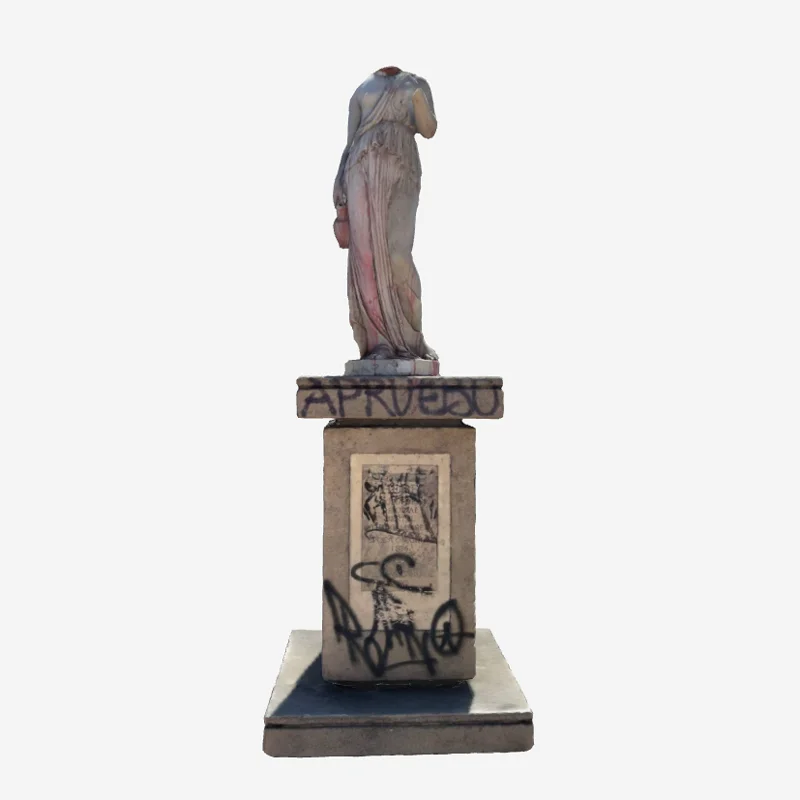
The sculpture stands on an integral marble plinth mounted on a rectangular stone pedestal. In its present condition, the head is completely missing, interrupting the neck above the partially draped torso and eliminating the original direction of the face and gaze. Reddish stains and drips mark the garment and plinth, while the pedestal bears graffiti, political slogans and pasted-paper traces that record successive interventions in the public space.