Monument to Francisco de Aguirre – Sculpture in La Serena
Work
Monument to Francisco de Aguirre
Author
Juan Adsuara Ramos
Year
Mid-20th Century

Work narrative
History
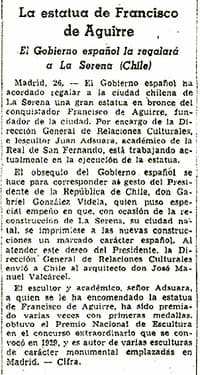
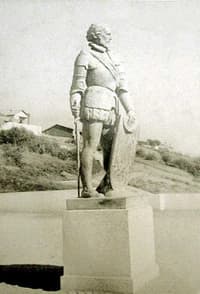
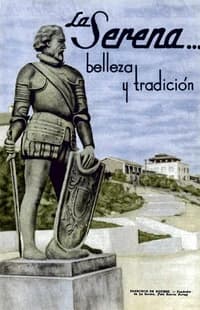
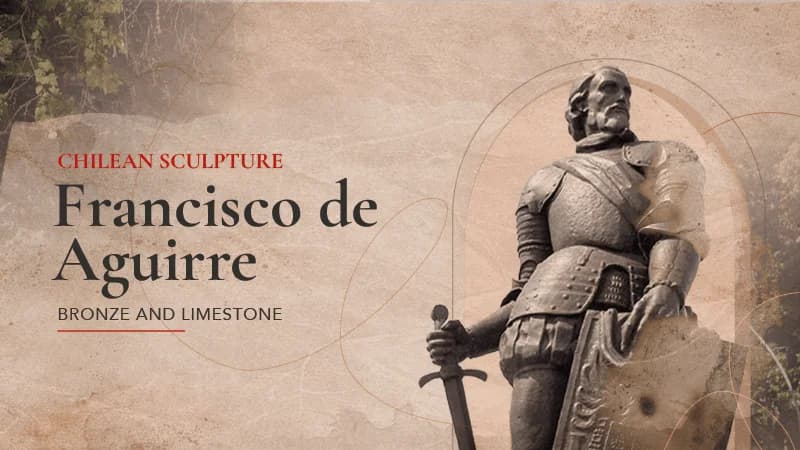
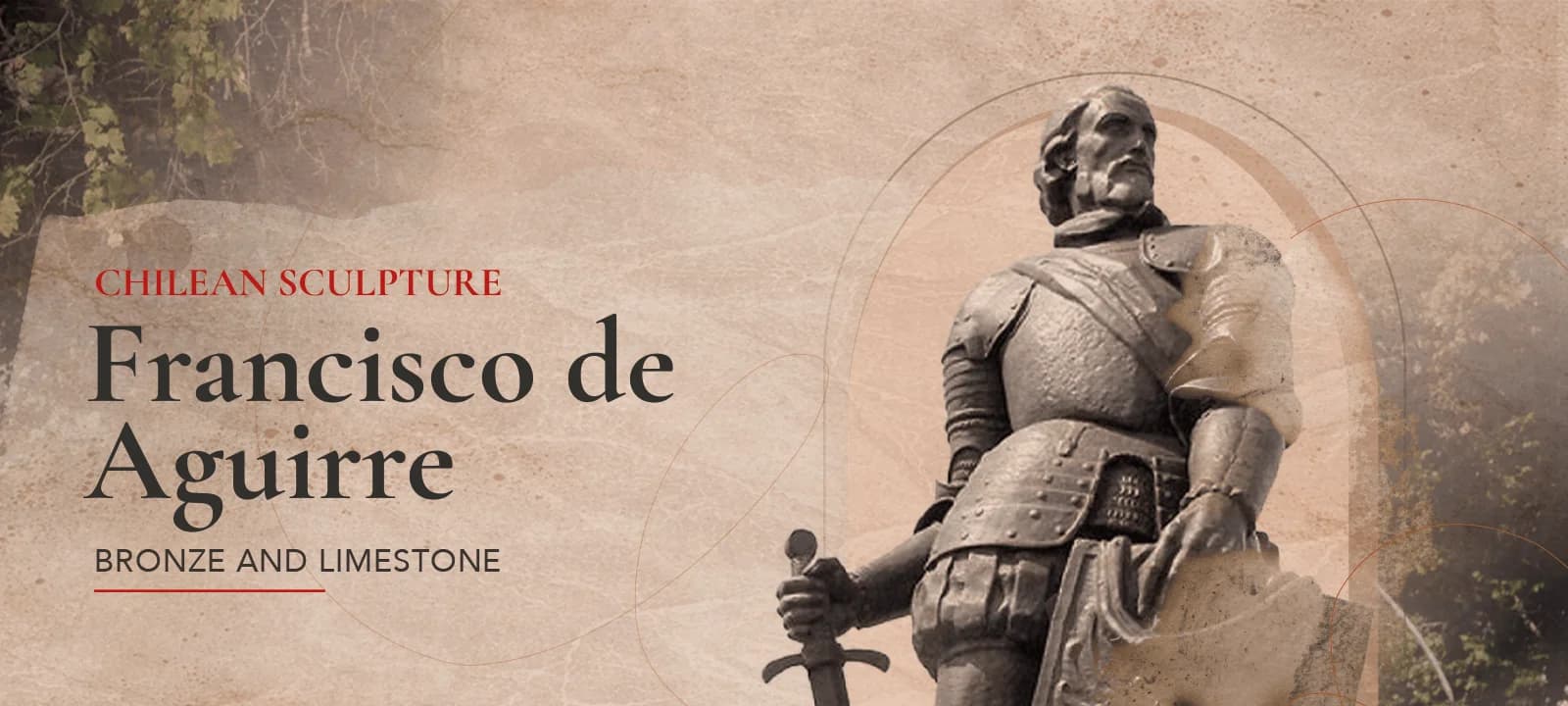
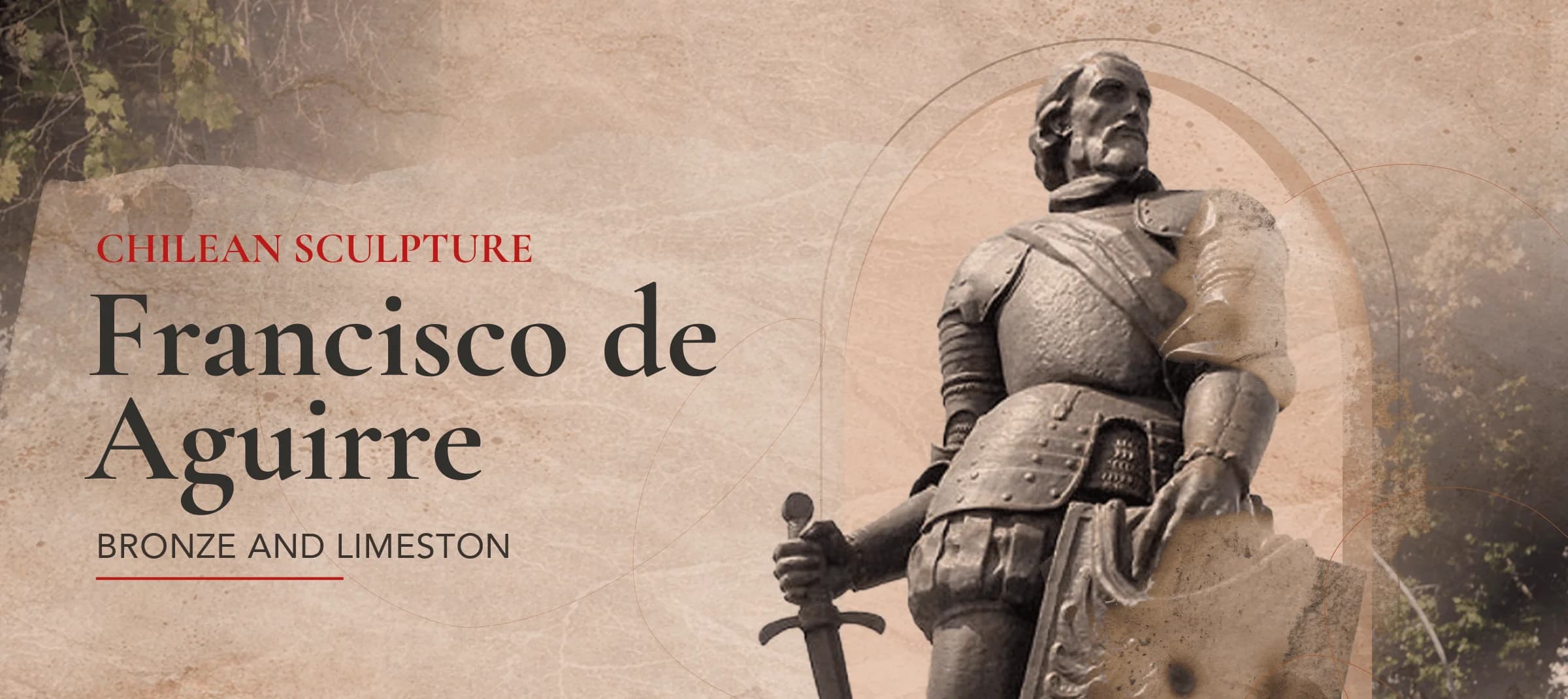
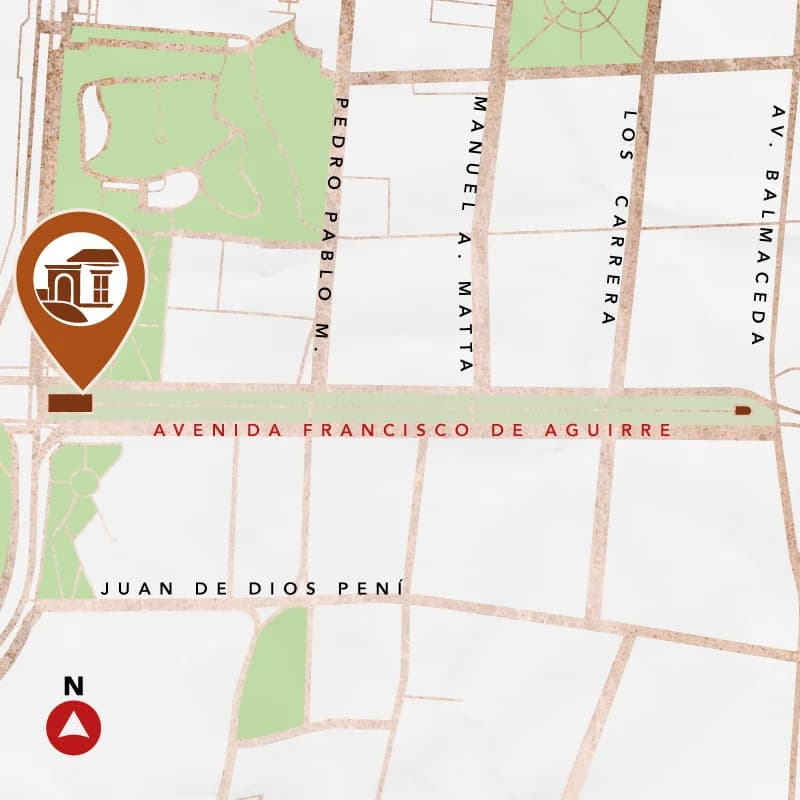
Inaugurated in October 1952, this work was the final milestone of the Plan Serena, conceived to guard the southern entrance of the city at the intersection with Route 5. Donated by the Spanish State to commemorate the 400th anniversary of the re-founding of La Serena, the piece was cast in bronze by master sculptor Juan Adsuara, who projected an image of authority and command.
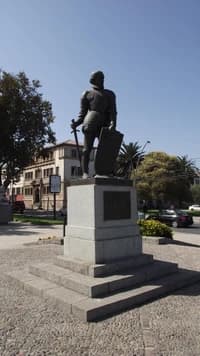
The sculpture depicted Francisco de Aguirre with the rigidity of 16th-century military attire, wearing armor and a morion helmet, in a pose of eternal vigilance over the conquered territory. For decades, it symbolized Hispanic heritage and the urban order imposed in the mid-20th century.
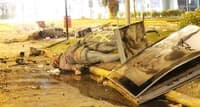
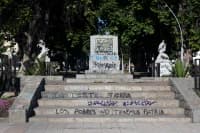
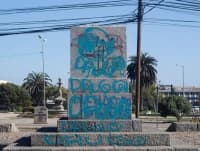
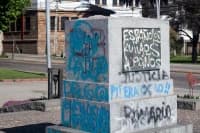
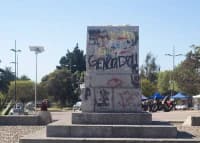
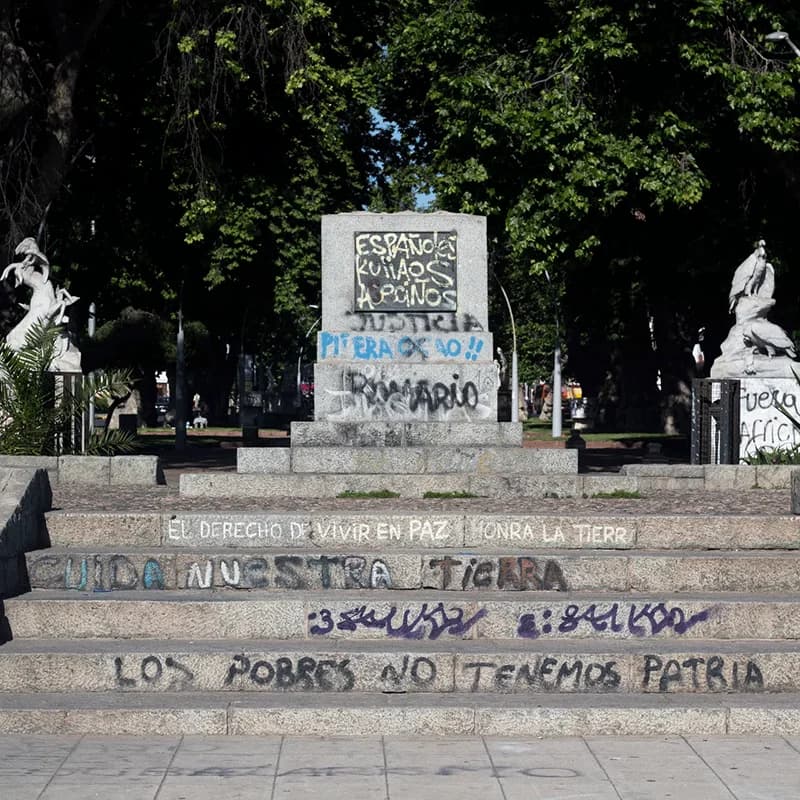
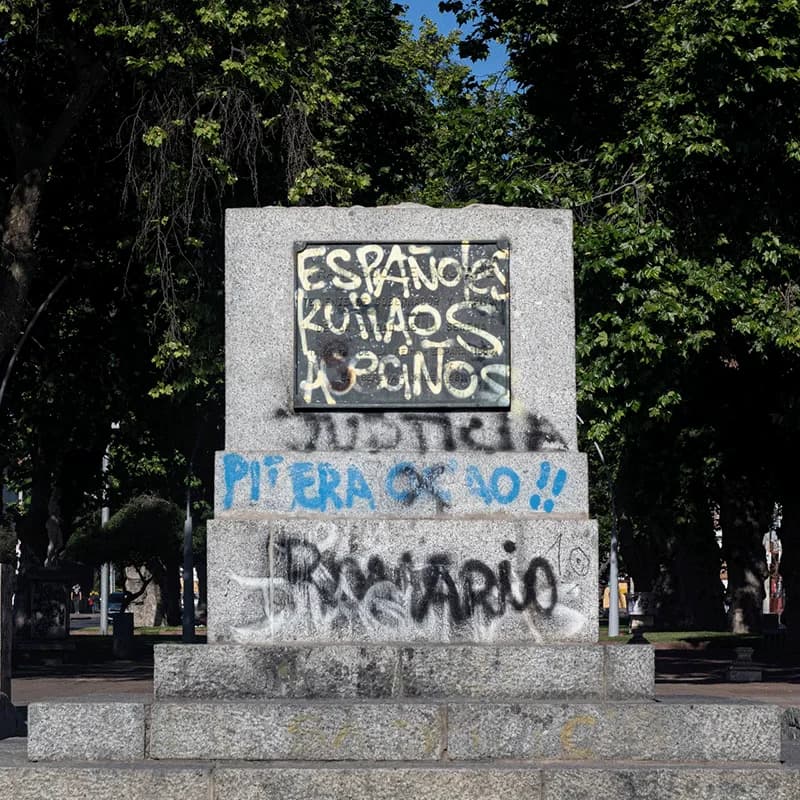
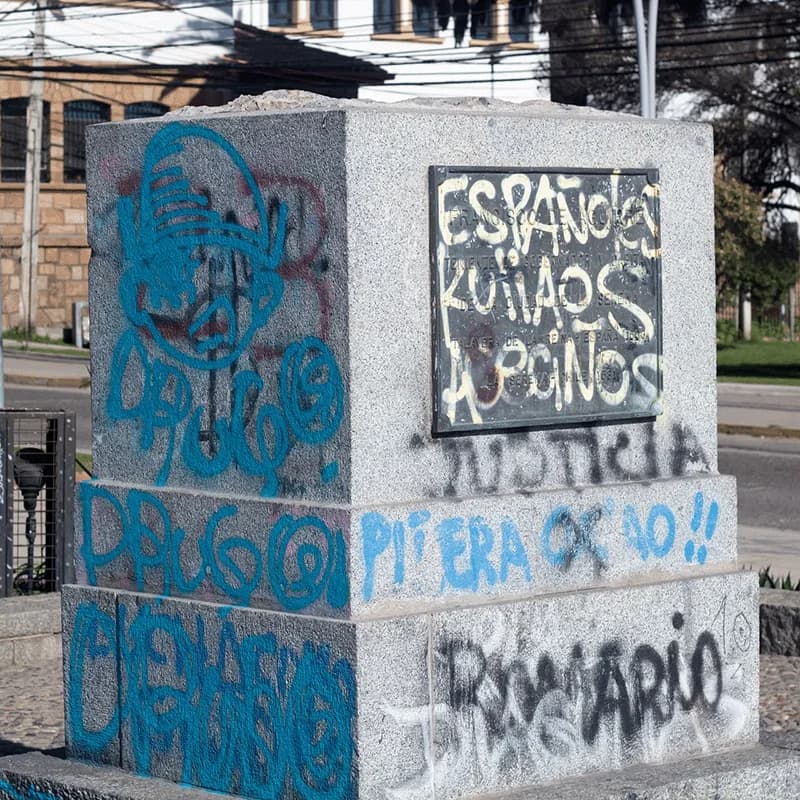
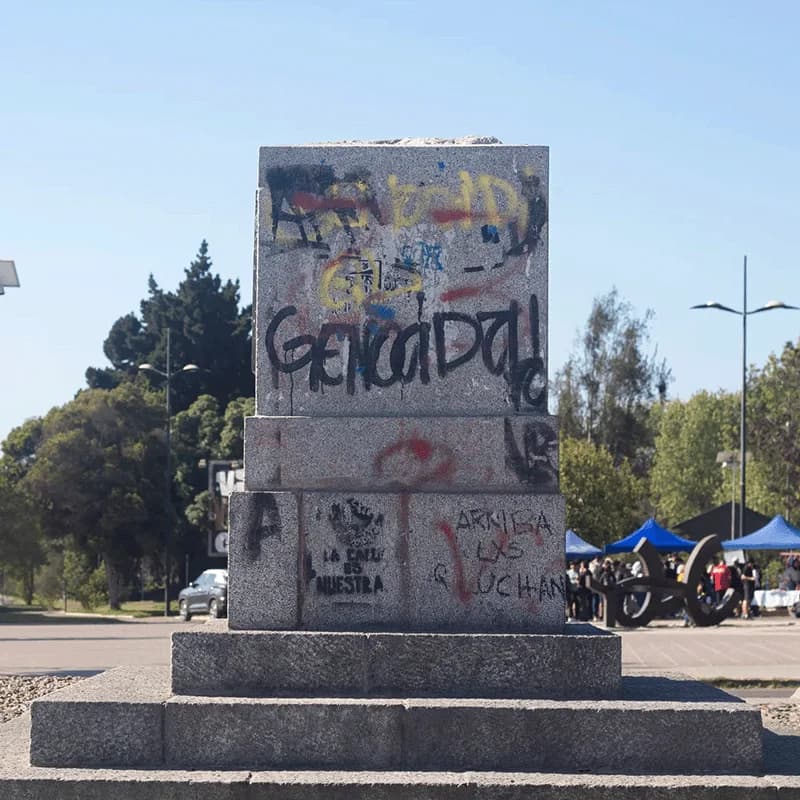
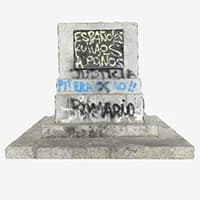
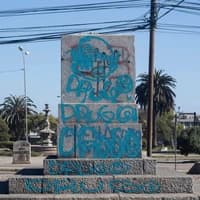
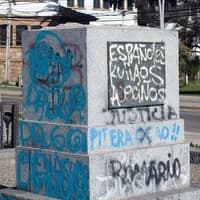
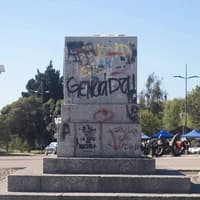
However, on October 20, 2019, amidst the fervor of the social uprising (Estallido Social), the history of this bronze took a radical turn. The figure was toppled from its base and dragged to the highway to be set on fire, becoming a symbolic barricade against the colonial legacy. Today, the limestone pedestal remains empty of its original figure but filled with new voices: covered in red paint and slogans such as "Genocida" (Genocidal) and "Avenida Diaguitas," the monument has mutated into a living testimony of contemporary conflict and social memory.
Work record
Technical Data
AUTHOR
Juan Adsuara Ramos
CHRONOLOGY
Mid-20th Century
MATERIALITY
Bronze (Sculpture) and Limestone (Pedestal)
TECHNIQUE
Lost-wax casting
MOVEMENT
Academic Realism / Spanish Neoclassicism
WORK DESCRIPTION
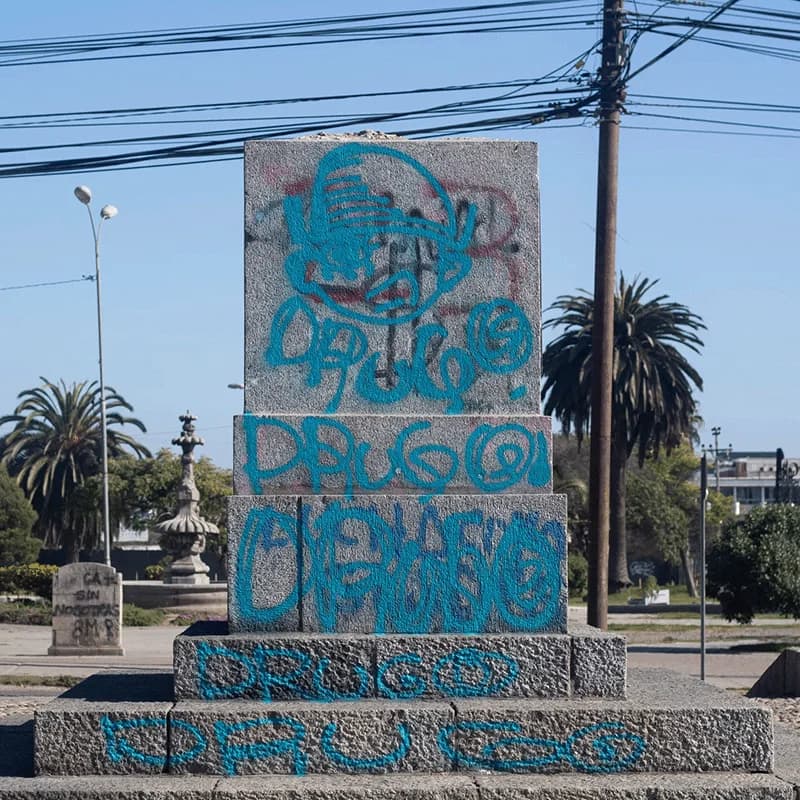
Rectangular limestone pedestal. It exhibits natural erosion and marks from the violent toppling of the statue (severed bolts, damage to the stone coping).
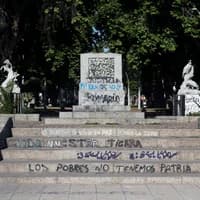
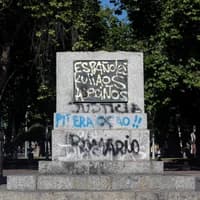
Overlapping layers of graffiti, posters, and political slogans cover the entirety of its visible faces.
This pedestal now serves as a reminder of the historical conflict within the territory.
General Gallery