
Hermae with Muse Figures – Sculpture in La Serena


Work
Hermae with Muse Figures
Author
Unknown
Year
20th Century [Estimated]
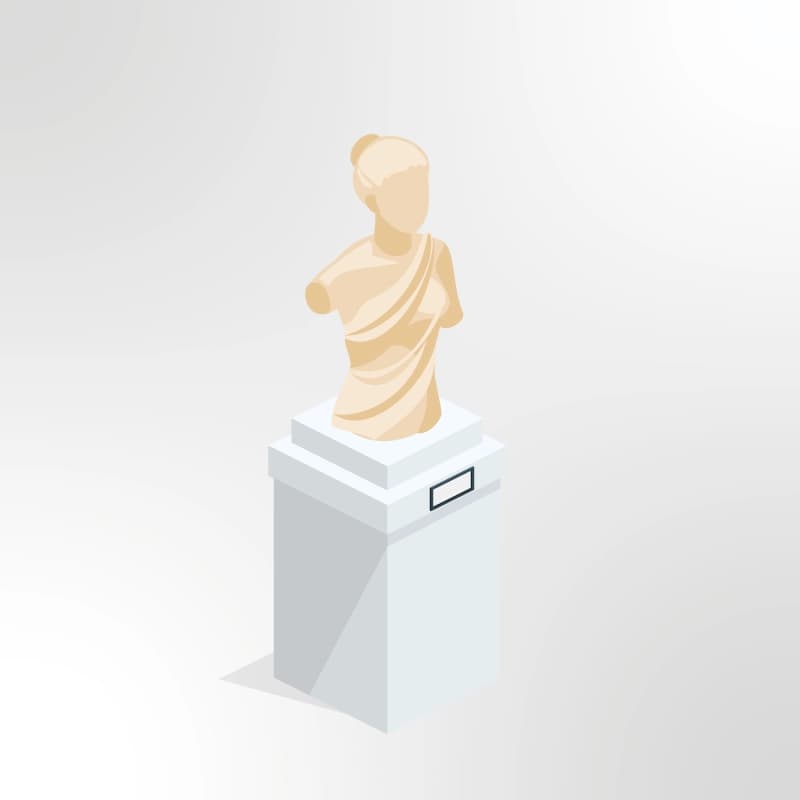
Work narrative
History
Hermae were stone or bronze pillars crowned with busts, originally of the god Hermes (hence their name).
Emerging in archaic Greece (6th century BC), they were placed on roads, borders and public spaces as protective landmarks, as Hermes was the patron of travelers.
Their classical design combined the bearded head of the god with an erect phallus, symbol of fertility and protection.
Over time, they evolved to represent other deities or illustrious figures, such as the muses, divinities of the arts and sciences.
In Athens (415 BC), their massive mutilation caused a political-religious scandal known as the "affair of the hermae", which involved Alcibiades and destabilized the city on the eve of the expedition to Sicily.
The Romans adopted them as honorary busts, eliminating the original sexual connotation.
More than decorative elements, hermae were objects of worship: flowers or coins were offered to them to obtain protection on journeys.
Damaging them was considered sacrilege, as they were sacred manifestations of divine presence in public space.
Work record
Technical Data
AUTHOR
Unknown
CHRONOLOGY
20th Century [Estimated]
MATERIALITY
White marble.
TECHNIQUE
MOVEMENT
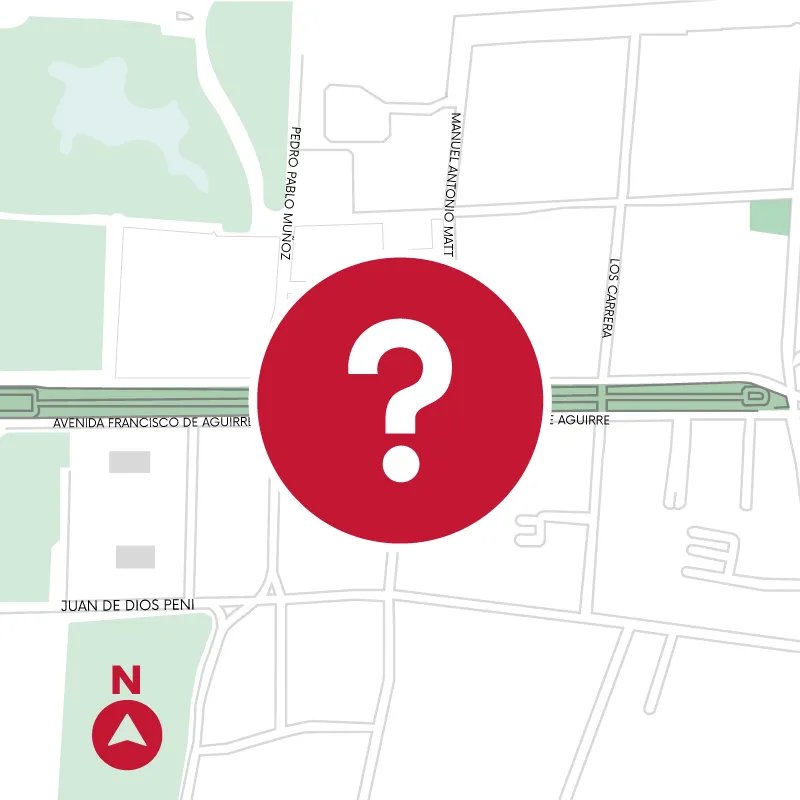
WORK DESCRIPTION
Official local denomination: "Ermas with Muse Figures".
The correct form according to RAE is "herma" (from Latin herma and Greek ἕρμη), which designates a bust or head placed on a quadrangular pillar.
The denomination "erma" (without h) appears in local heritage documents of La Serena, possibly due to literal transcriptions from 20th-century sources or phonetic adaptations.