Roman SarcophagusSculpture in La Serena

Banner por defecto

Work

Roman Sarcophagus

Author

Unknown

Year

2nd–4th centuries CE

3D model poster
Loading 3D model...
Miniatura 3D por defecto

Work narrative

History

The work known as the Roman Sarcophagus is a white-marble funerary receptacle associated in the historical acquisition record with the Roman lenos type. This oval or tub-shaped form, derived from vessels used for treading grapes, was adopted by Roman funerary sculpture between the 2nd and 4th centuries CE. The same record identifies its reliefs as animal combats. If that identification is correct, the scenes belong to the imagery of venationes and may evoke virtus: the courage and moral strength attributed to the deceased. The lenos form also carried Dionysiac associations with wine, renewal and passage beyond death.

The evidence does not permit a definitive classification of the object installed in La Serena. Gabriel González Videla's account calls it an 'ancient copy' in white marble, while a municipal inventory describes it as a Roman original and later digital records have treated it as an undocumented 20th-century replica. These descriptions also disagree over its oval lenos form and a rectangular chest-like appearance. No identified ancient model, sculptor, workshop, palace of origin, inscription or petrographic study currently resolves these discrepancies; the association with Lysippos found in secondary records is therefore not established.

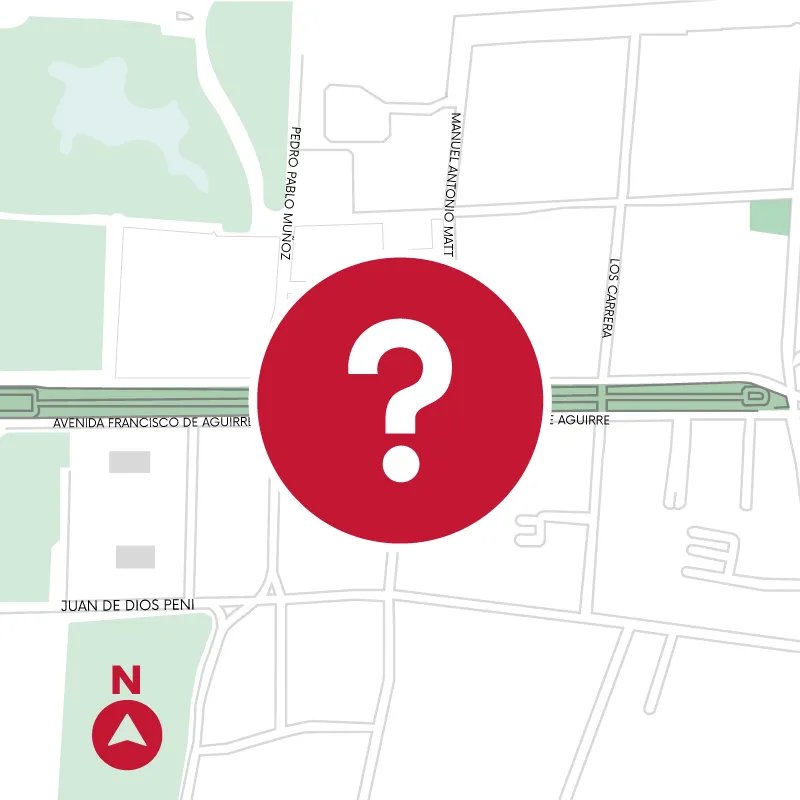
The piece was acquired in Rome from the gardens of an unidentified noble palace through the efforts of Raúl Irarrázaval, Chilean ambassador to the Holy See, and diplomat Antonio Rodríguez during the Plan Serena period. It was transported by sea to Chile and installed as part of the open-air museum on Avenida Francisco de Aguirre, inaugurated on 31 October 1952. The urban placement was coordinated by Guillermo Ulriksen and Oscar Prager with technical advice from José Manuel González Valcárcel.

The sarcophagus has been exposed to weathering, vandalism and mechanical damage. A conservation diagnosis by the National Centre for Conservation and Restoration in 2019–2020 classified its condition as very poor and warned of structural instability and a risk of collapse on its supports, recommending preventive removal. This material history is independent of the still unresolved question of whether the marble is an ancient Roman object, an old copy or a modern reproduction.

Work record

Technical Data

AUTHOR

Unknown maker; documented as an ancient copy, but also inventoried as a Roman original and described in later records as an undocumented 20th-century reproduction

CHRONOLOGY

Object in La Serena: date and classification unresolved; reference type: Roman lenos sarcophagus, 2nd–4th centuries CE; installed in 1952

MATERIALITY

White Carrara marble; the receptacle rests on two independent marble supports.

TECHNIQUE

Marble carving in high and low relief; execution method and date undocumented

MOVEMENT

Classical tradition (Roman funerary model of the lenos type)

WORK DESCRIPTION

A solid white-marble funerary receptacle measuring 2.05 metres long, 1.00 metre wide and 0.62 metre high, displayed without a lid on two independent marble supports approximately 0.30 metres high. Its carved surface combines high and low relief, dynamic figures identified in the historical record as animal combats, deep drapery folds and vegetal framing motifs recorded as garlands and acanthus leaves. No inscription, dedication or signature has been documented. The records disagree over whether its contour is oval, of the lenos type, or rectangular. The box and its contact points with the supports show serious structural deterioration that affects the present reading and stability of the work.

ABOUT THE AUTHOR

No sculptor or workshop responsible for the object in La Serena has been identified. Historical and municipal records disagree on whether it is a Roman original, an ancient copy or a 20th-century reproduction. The secondary association with Lysippos is not supported by an identified prototype and must not be treated as an established attribution.