
Paris – Sculpture in La Serena


Work
Paris
Author
Anonymous
Year
Date undocumented



Work narrative
History
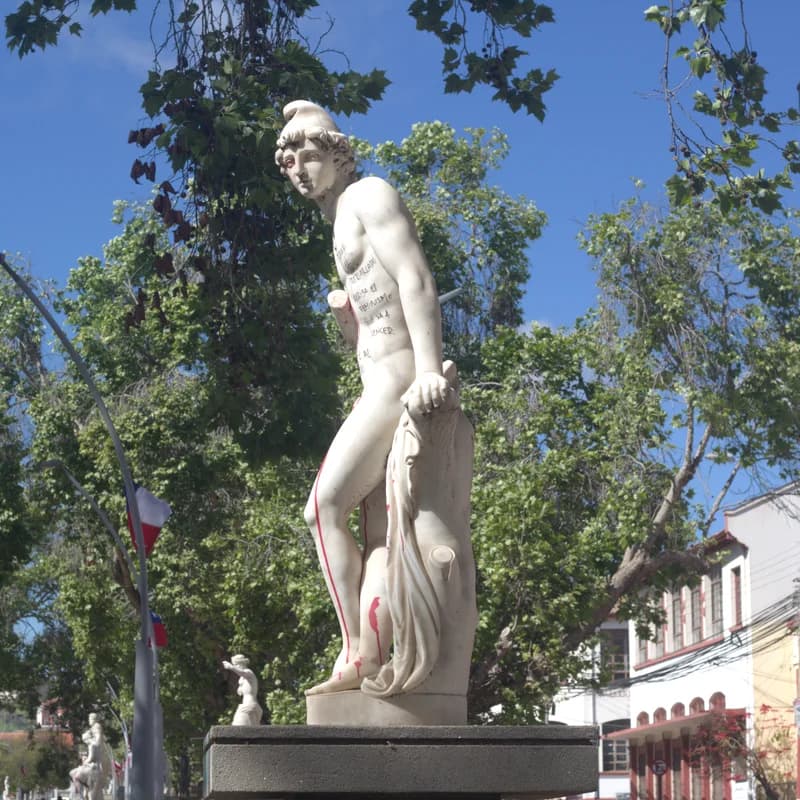
Paris depicts the Trojan prince raised as a shepherd on Mount Ida, also known as Alexander. His figure is associated with the Judgment of Paris: Hera, Athena and Aphrodite contested the prize of beauty, and Zeus appointed the young man to choose between them. According to Pseudo-Apollodorus, Hera offered him power, Athena victory in war and Aphrodite marriage to Helen. Paris chose Aphrodite; Helen’s departure for Troy became one of the events leading to the Trojan War.
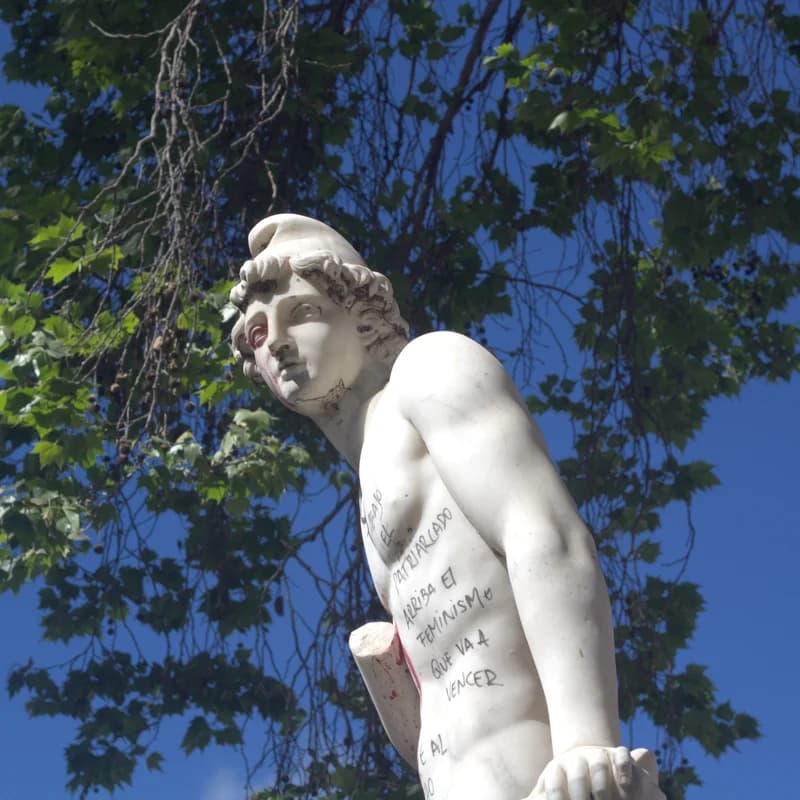
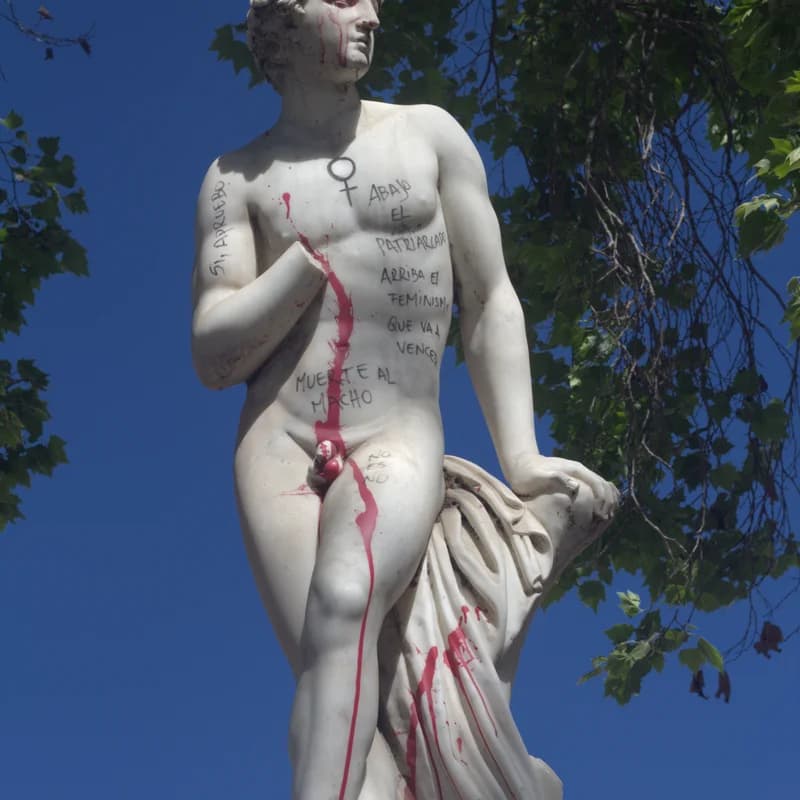
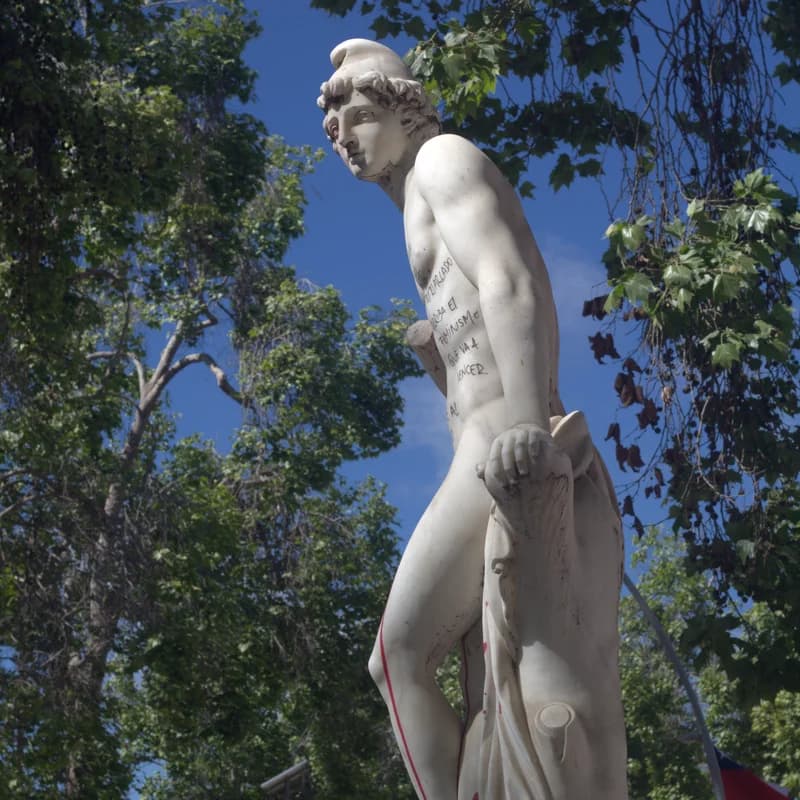
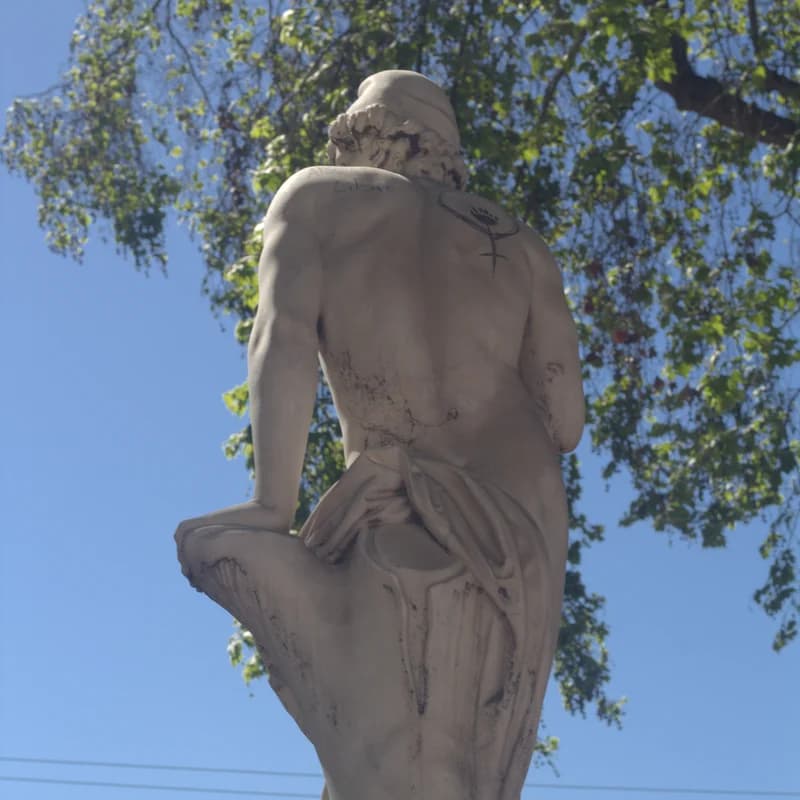
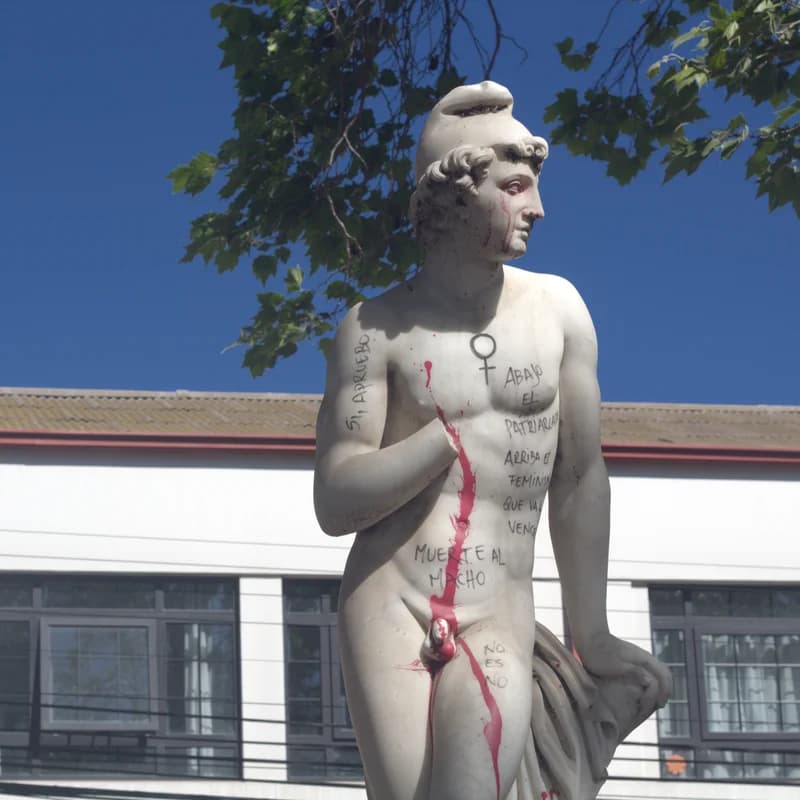
The apple once held by the La Serena sculpture, confirmed in historical photographs, is the attribute of the beauty prize. The Phrygian cap evokes the character’s eastern origin, while his youth and support against a tree trunk present him in his pastoral role. The distal part of the right arm and the hand that carried the apple are now missing; the date of this loss is unknown.
The composition closely relates to the sculpture “The Shepherd Paris about to give the apple that will be the prize of beauty,” made by Nicolas-François Gillet in 1757 and held by the Louvre. The La Serena work is larger and has variations in the support and drapery: it is interpreted as a derivation of that composition, not as a work executed by Gillet himself.
In his 1975 Memoirs, Gabriel González Videla records it as “Páride (Paris), by Bartolini,” with a height of 1.65 metres. He describes it as an original marble purchased in Rome, previously held in the Marquis Giuntini’s palace in Florence, for the Plan Serena collection. The attribution to Lorenzo Bartolini remains a historical record, without corroborated authorship. The local plaque, however, describes it as a seventeenth-century copy of a Greek original; this classification does not agree with the proposed relationship to Gillet. Its execution date remains undetermined.
Work record
Technical Data
AUTHOR
Local sculptor unidentified. Composition based on Nicolas-François Gillet’s model, with variations. Historical attribution to Lorenzo Bartolini uncorroborated.
CHRONOLOGY
Execution date undetermined. The local plaque states the seventeenth century, a dating incompatible with the proposed relationship to Gillet’s 1757 model.
MATERIALITY
Marble
TECHNIQUE
Marble carving
MOVEMENT
Classical tradition
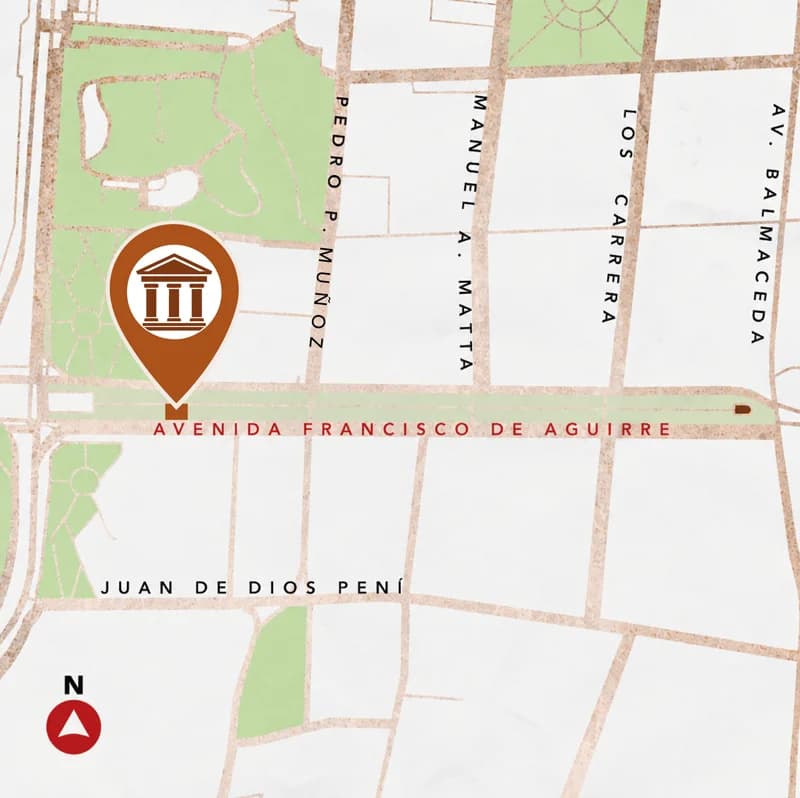
WORK DESCRIPTION
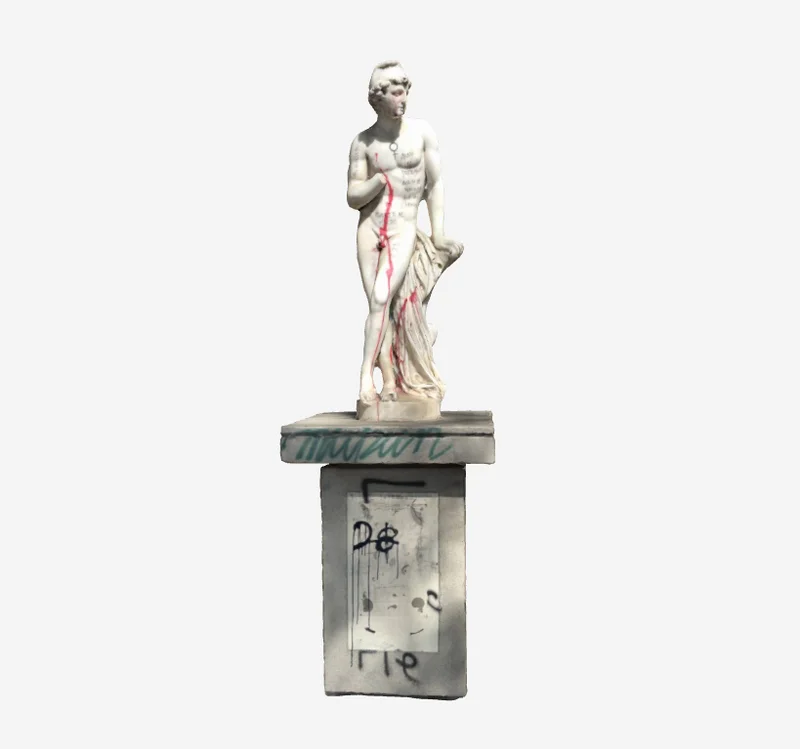
A young nude male figure stands with his weight distributed asymmetrically. His head turns to his left, and a Phrygian cap covers his curly hair. The right arm bends towards the torso and ends before the hand. The left arm descends, with the hand resting on a tree-like support beside the hip. A cloth with longitudinal folds partially covers the support and falls to the base, contrasting with the uncovered body.
General Gallery


