The Condors – Sculpture in La Serena
Work
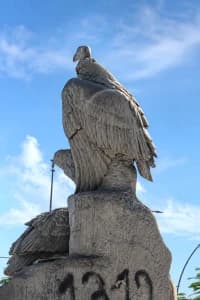
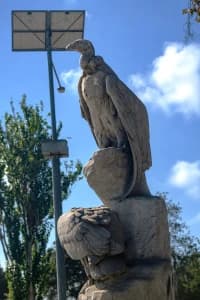
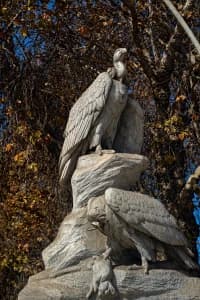
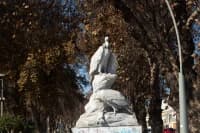
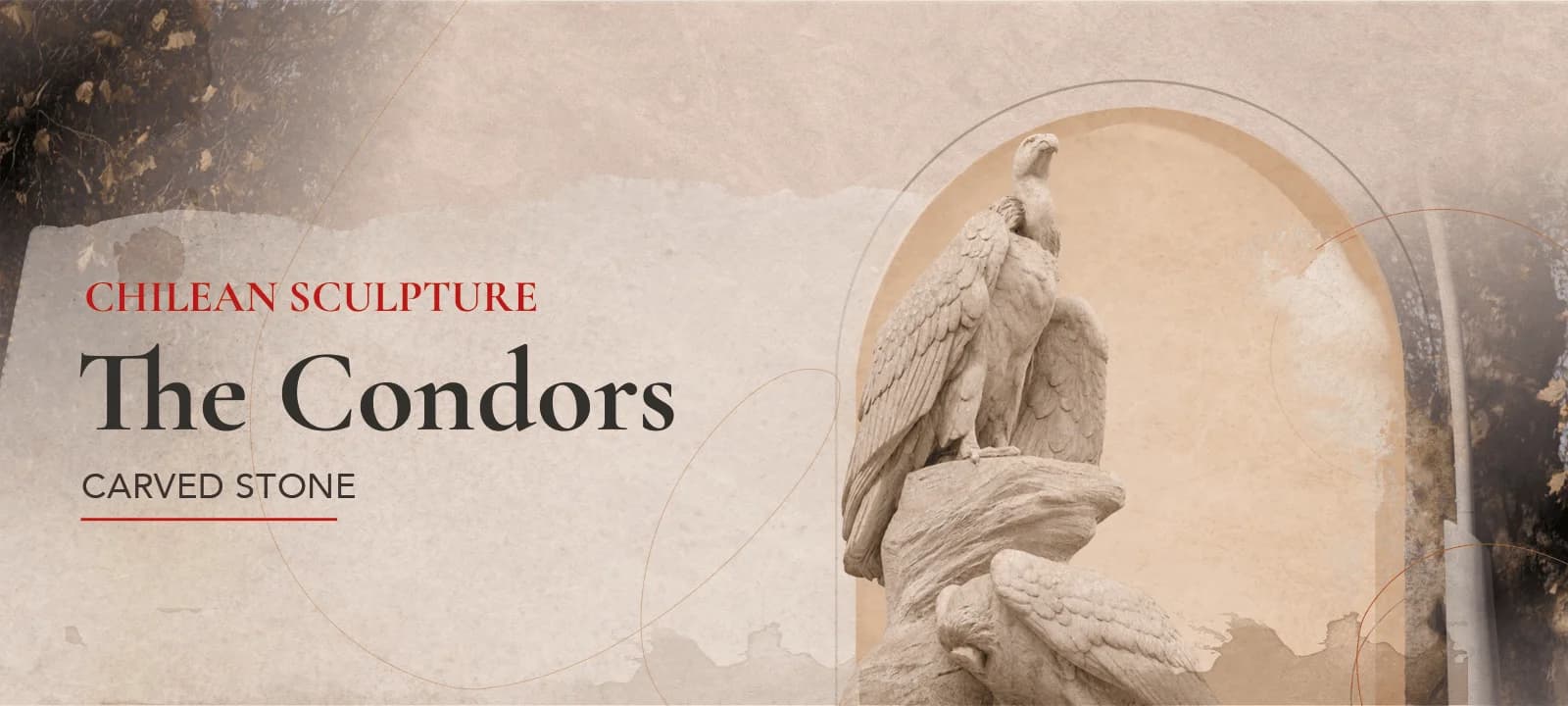
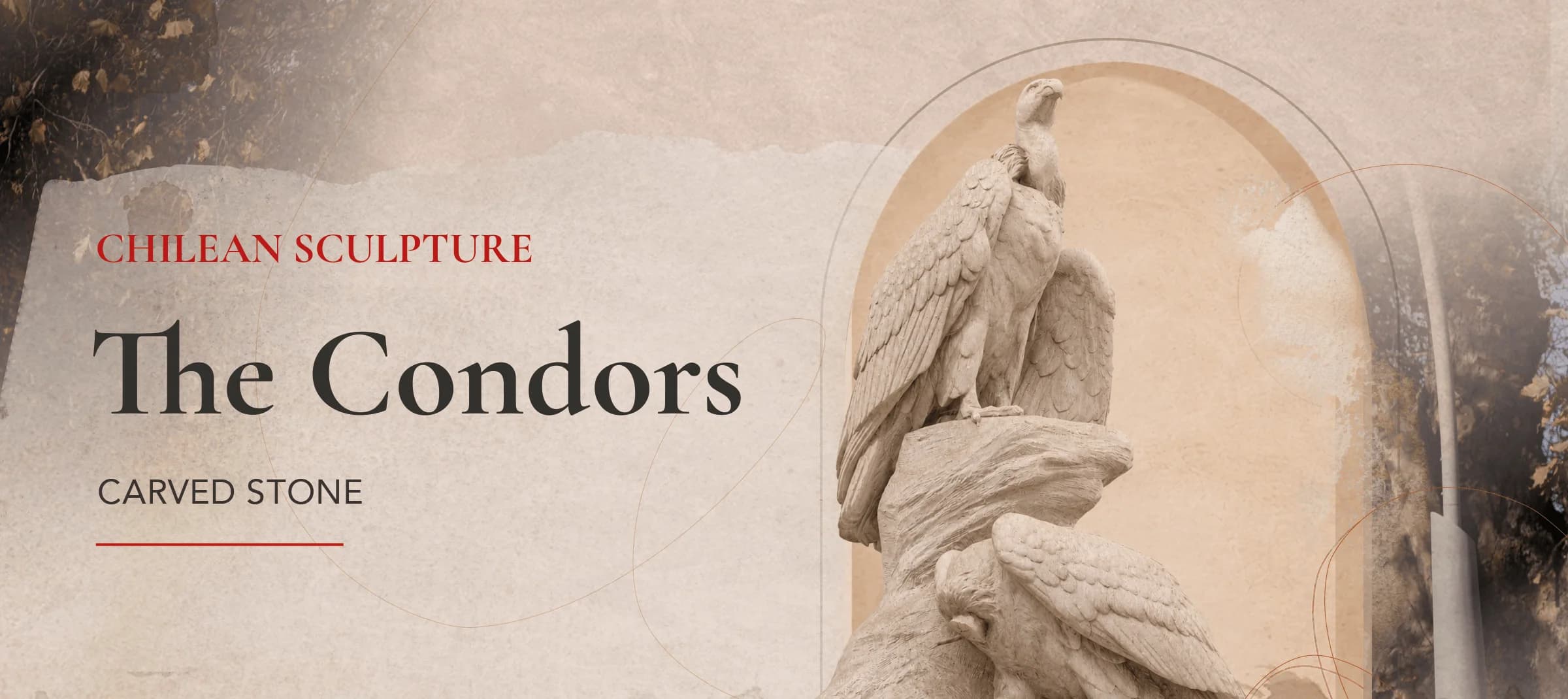
The Condors
Author
Georges Gardet
Year
19th/20th Century

Work narrative
History
The original model dates back to the late 19th or early 20th century.
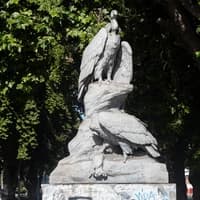
Installed in La Serena between 1948 and 1952, the piece represented a thematic departure within Plan Serena: while the Carrara marble statues celebrated European Classicism, Los Cóndores introduced native fauna as a symbol of territorial identity.
Mythological Context:
Although the work is of French origin, its subject carries a profound local mythological significance. In the Andean worldview, the condor is the Mallku, the spirit of the mountains and guardian of the waters. For the Diaguita and Aymara peoples, it is the link to the Hanan Pacha (the upper world), acting as a messenger of the sun and protector of the cosmic order.
Work record
Technical Data
AUTHOR
Georges Gardet
CHRONOLOGY
19th/20th Century
MATERIALITY
Stone.
TECHNIQUE
Naturalist carving and modeling.
MOVEMENT
Academic Naturalism.
WORK DESCRIPTION
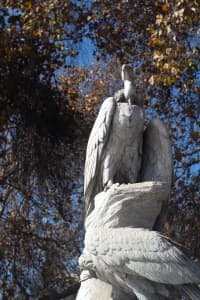
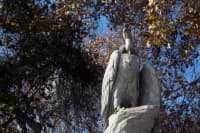
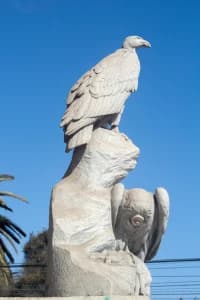
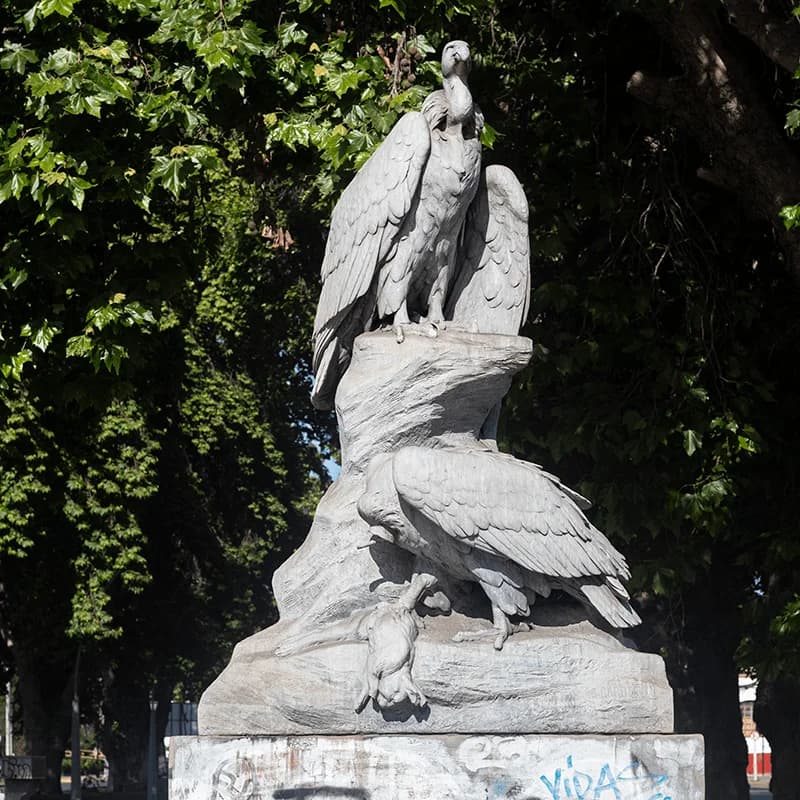
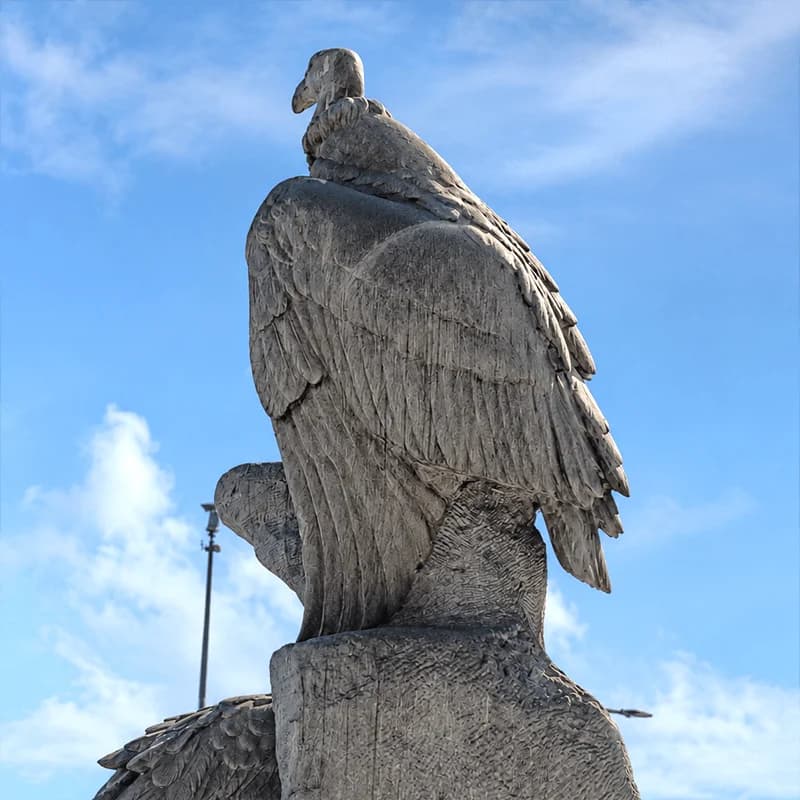
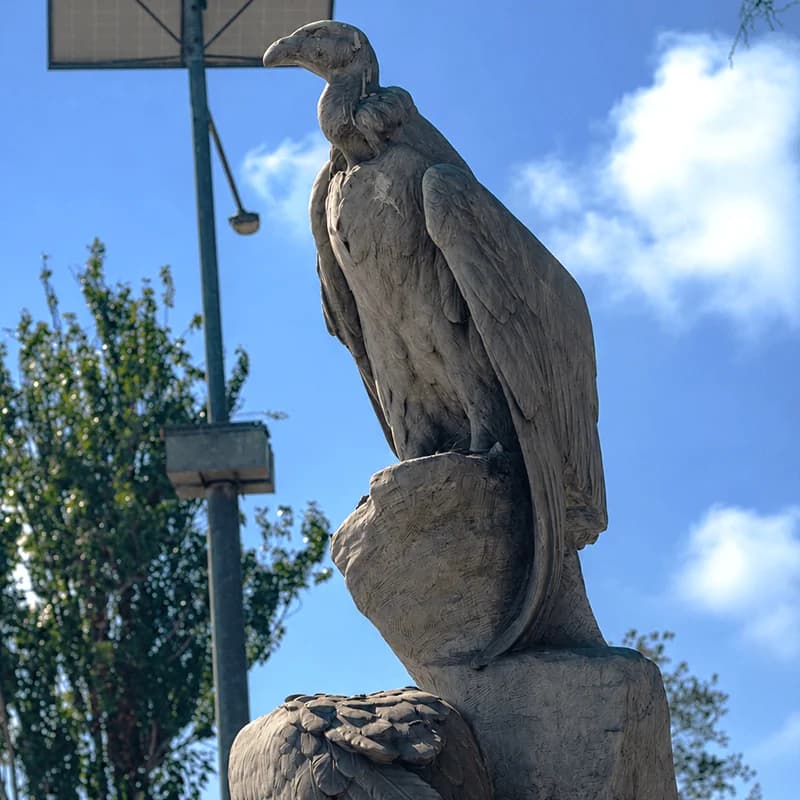
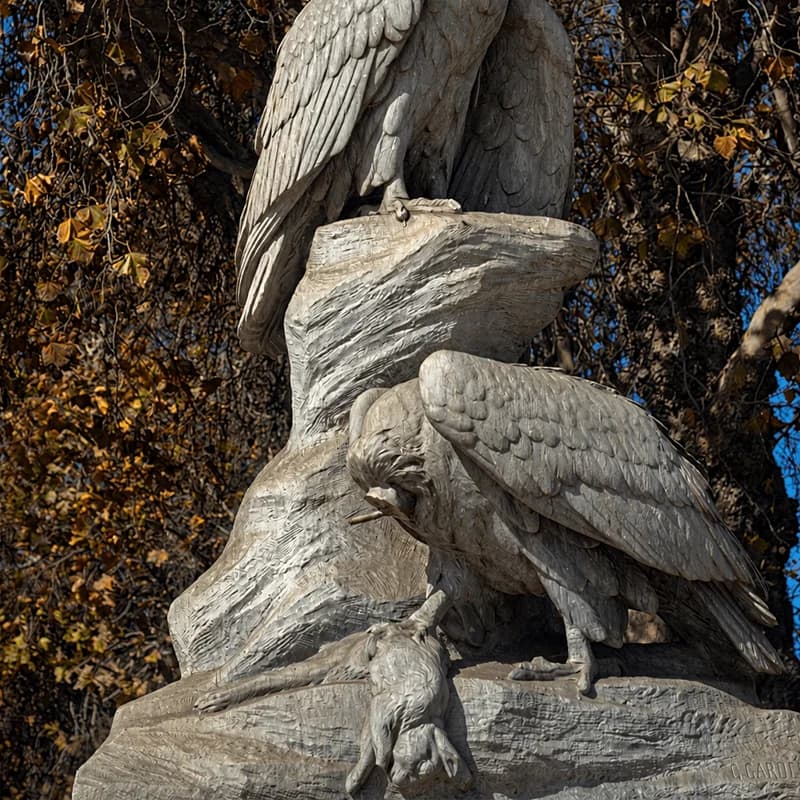
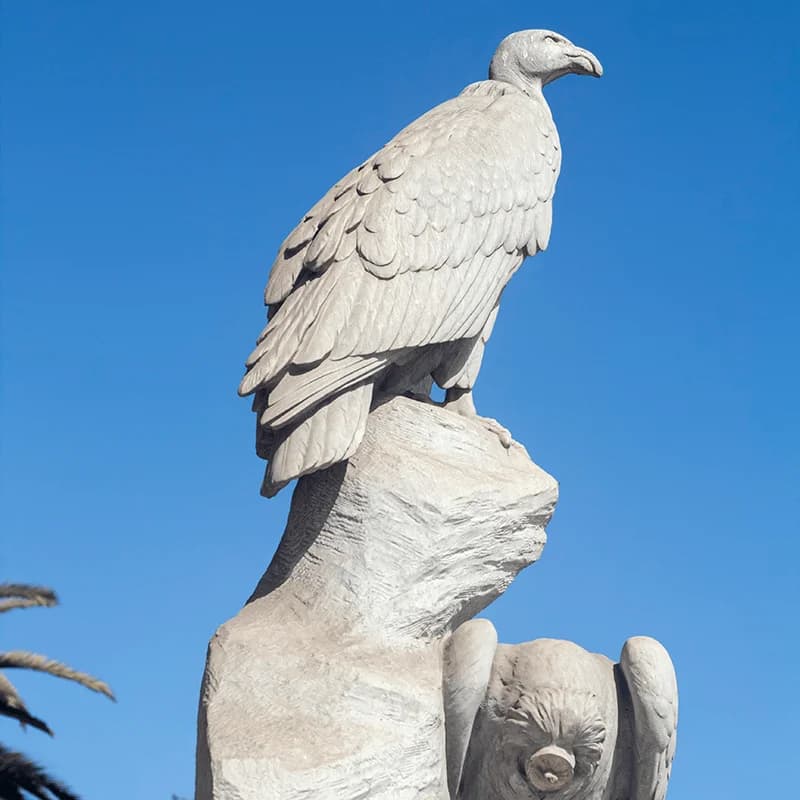
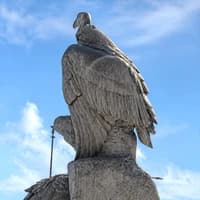
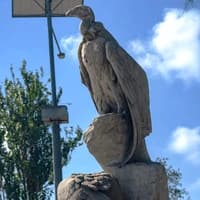
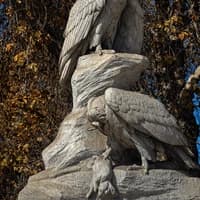
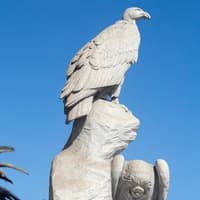
The sculpture features an asymmetrical composition of two birds atop a rocky crag. Notable is the depiction of the wings in a semi-open position and the upright heads, capturing the essence of natural vigilance. The execution in stone seeks a rougher, more organic texture than marble, harmonizing with the Andean geography it seeks to evoke.
General Gallery