
The Huntress (Nymph of Diana) – Sculpture in La Serena


Work
The Huntress (Nymph of Diana)
Author
Richard James Wyatt
Year
1850


Work narrative
History
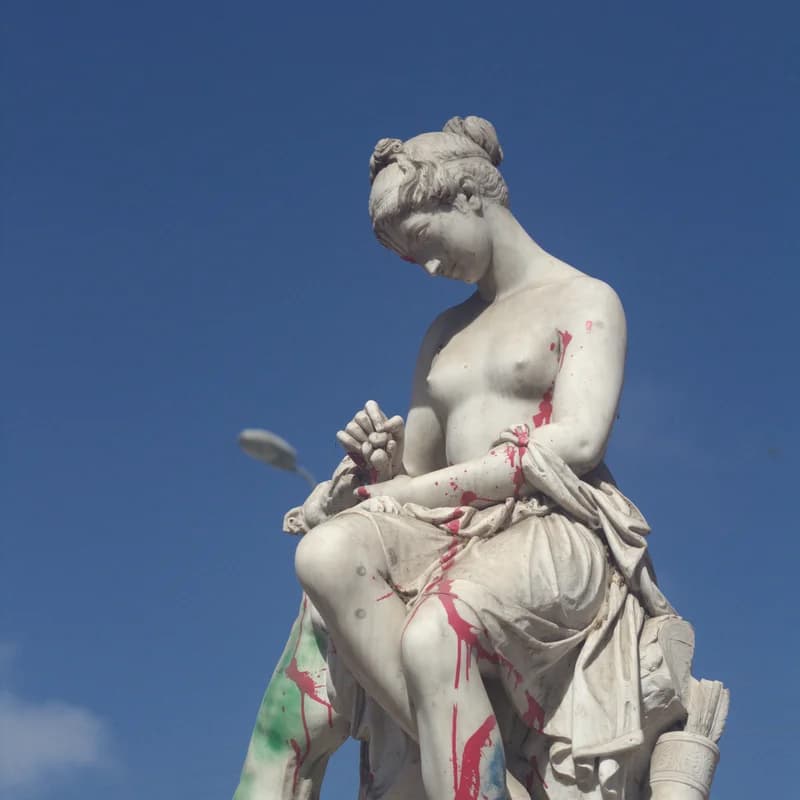
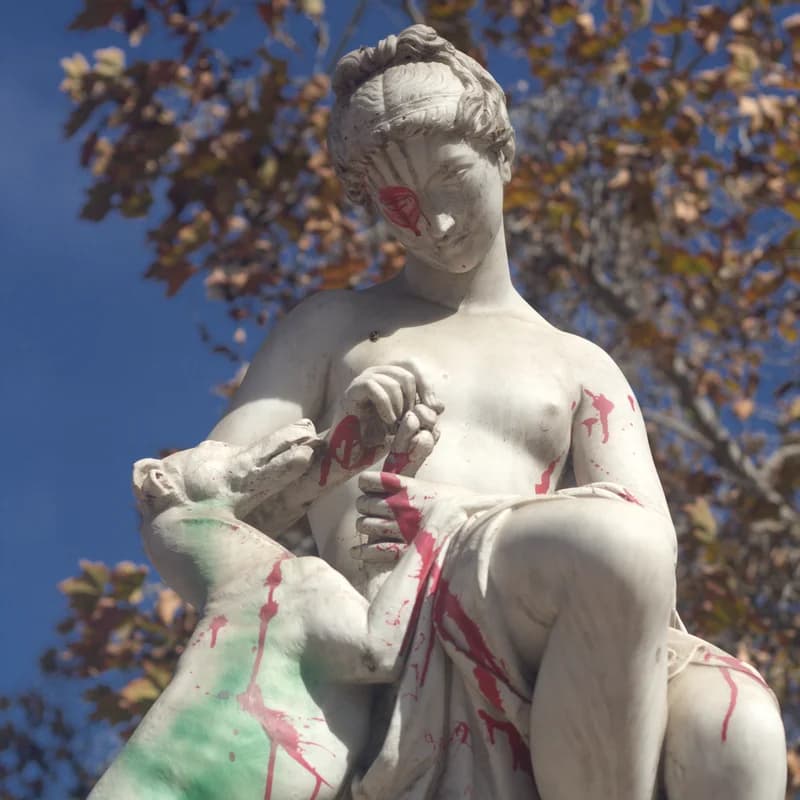
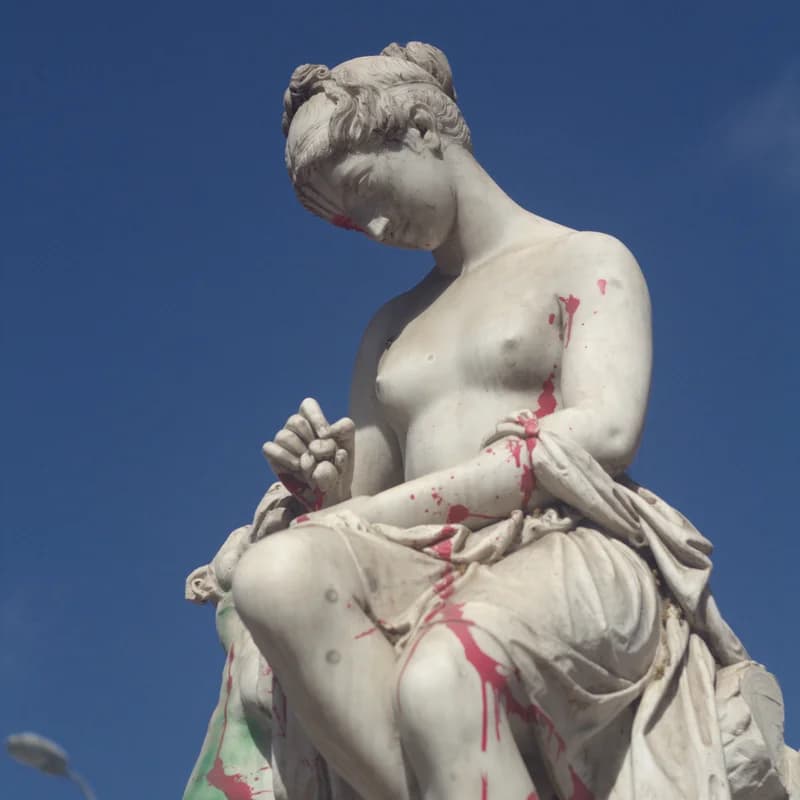
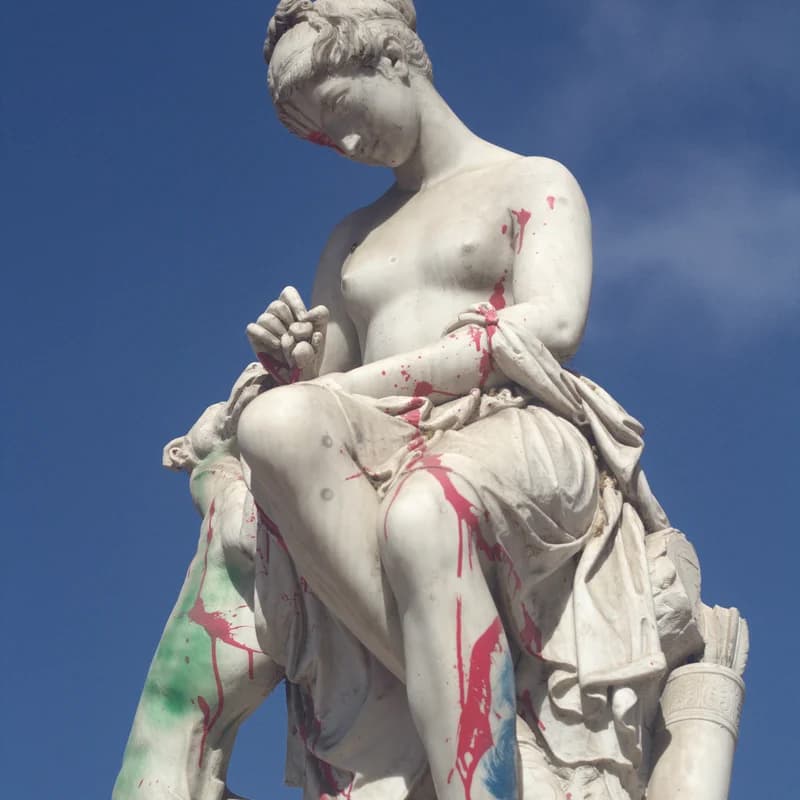
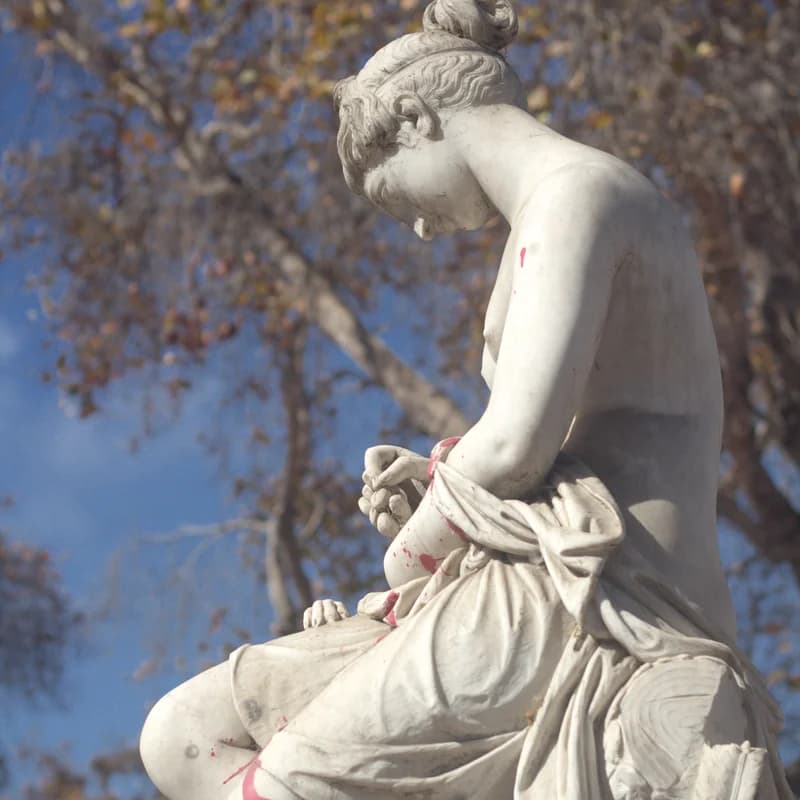
The sculpture represents one of Diana's nymphs pausing during the hunt to remove a thorn from a greyhound's raised forepaw. The quiver beside the seat identifies her as a huntress and links her to Diana's retinue; the subject is neither Minerva nor necessarily Diana herself.
Richard James Wyatt devised the composition in Rome in the late 1840s. A plaster model titled A Nymph of Diana Taking a Thorn from a Greyhound's Foot was exhibited at the Royal Academy in 1849. Queen Victoria commissioned a marble version in July of that year as a birthday gift for Prince Albert; completed in 1850, it is now held in the Royal Collection as RCIN 2052. Other versions and an engraving published in 1857 document the composition's later circulation.
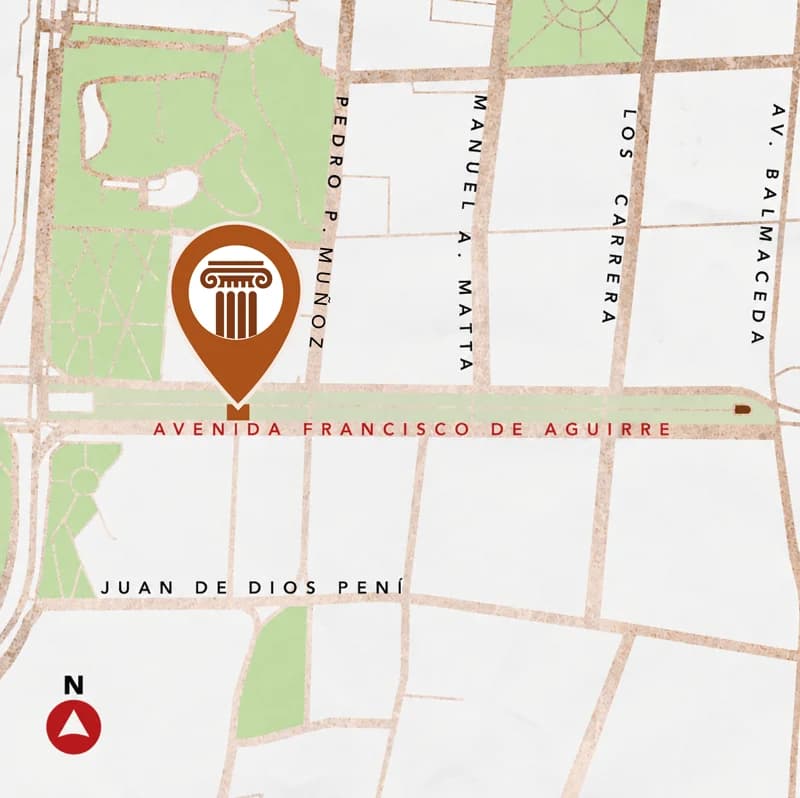
Gabriel González Videla's Memorias, published in 1975, record the La Serena sculpture as a statuary-marble work from the second half of the 19th century, acquired in Rome from the Cesare della Seta Gallery for the open-air museum created under Plan Serena. The source documents the gallery as seller, but does not identify the workshop that carved this reproduction. The sculpture was installed on Avenida Francisco de Aguirre in 1952.
The same historical catalogue incorrectly registered the work as Minerva, attributed it to Pheidias and described it as a copy of a Greek original from the 5th century BC. Its morphology instead reproduces Wyatt's Huntress: a partially nude seated young woman, a greyhound presenting its paw, a quiver, the arrangement of the drapery and the circular base. Minerva is therefore retained only as the work's former erroneous catalogue identification.
Work record
Technical Data
AUTHOR
Richard James Wyatt (model); maker of the La Serena reproduction undocumented; acquired from the Cesare della Seta Gallery, Rome
CHRONOLOGY
Statuary-marble reproduction from the second half of the 19th century, acquired in Rome and installed in 1952; Wyatt model completed in 1850
MATERIALITY
Statuary marble (according to Gabriel González Videla's Memorias)
TECHNIQUE
Marble carving; reproduction method undocumented
MOVEMENT
Neoclassicism (reproduction of a model by Richard James Wyatt)
WORK DESCRIPTION
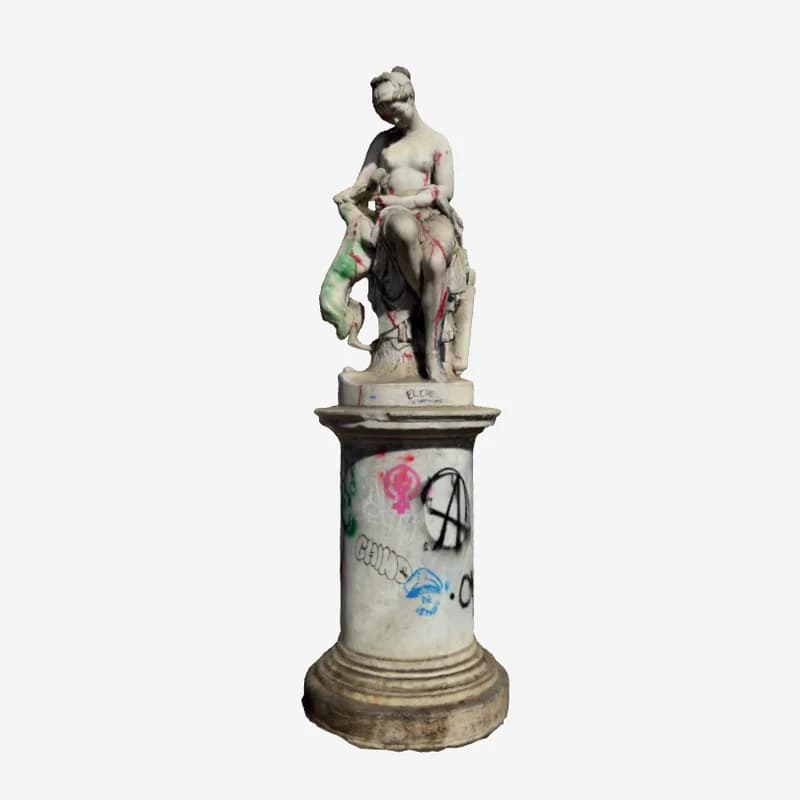
Free-standing statuary-marble group representing a partially nude young woman seated on a rocky or tree-stump-like support. Her torso inclines towards a slender greyhound standing on its hind legs and leaning against her. Both hands attend to one of the animal's raised forepaws, preserving the narrative action of removing a thorn.
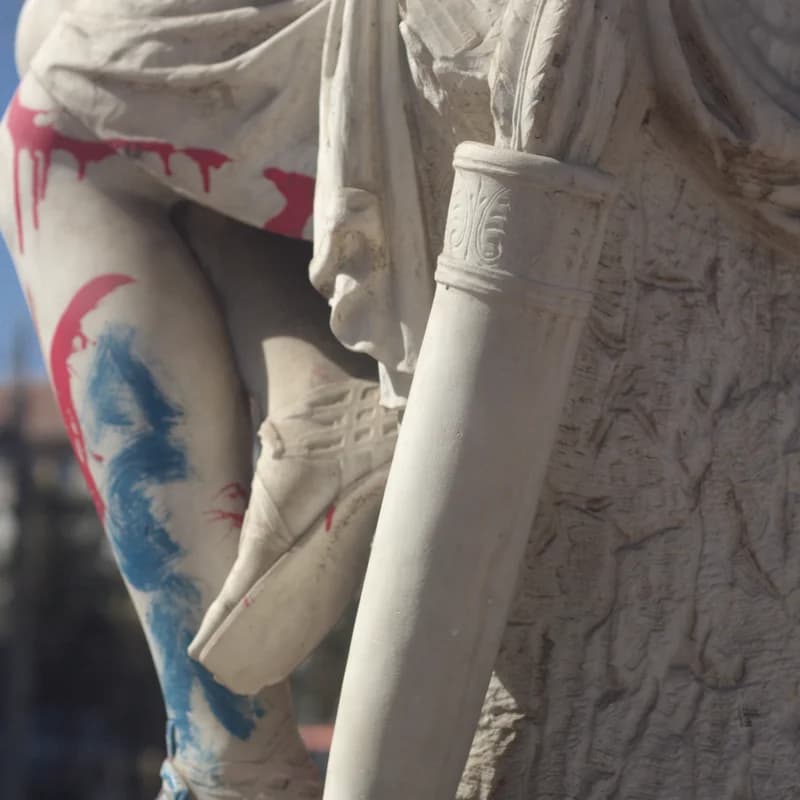
A mantle encircles the figure's waist, folds across her lap and partially covers her legs, leaving her feet bare. Her hair is gathered at the back and her head bends towards the animal. A quiver filled with arrows rests obliquely against the seat and identifies the woman as a huntress associated with Diana's retinue.
The group stands on a circular marble plinth. The seated pose, the exact interaction of hands and paw, the upright greyhound, quiver, drapery, hairstyle and base correspond to Richard James Wyatt's composition The Huntress rather than to the armed iconography of Minerva.
General Gallery


