
Antinous (Farnese type) – Sculpture in La Serena
Work
Antinous (Farnese type)
Author
Anonymous
Year
c. 130–138 CE
Work narrative
History
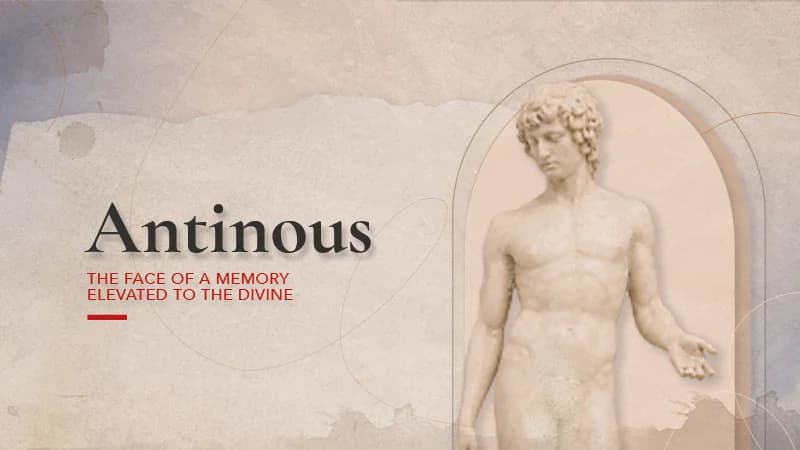
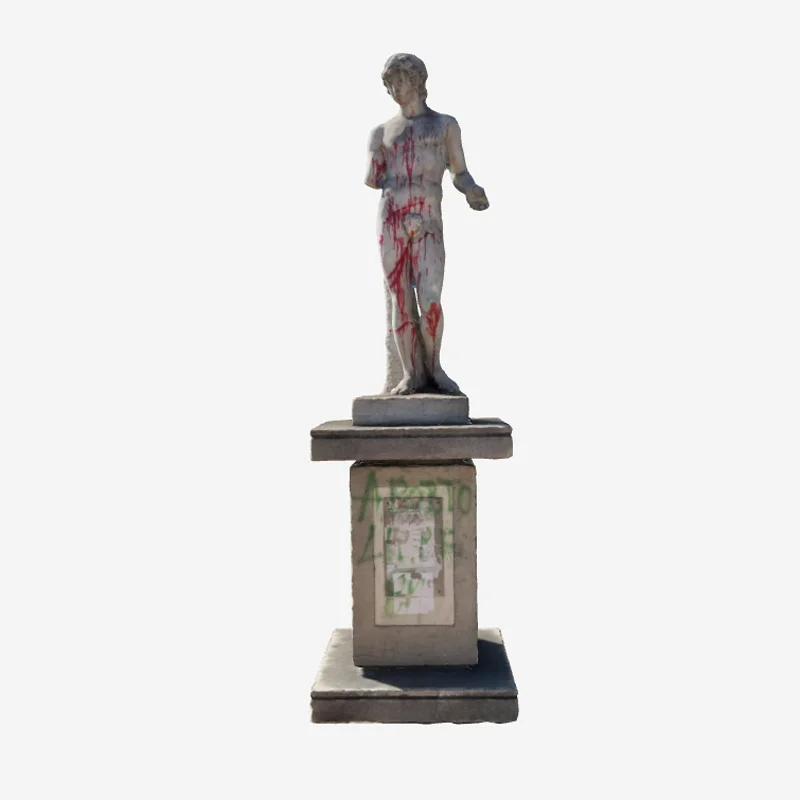
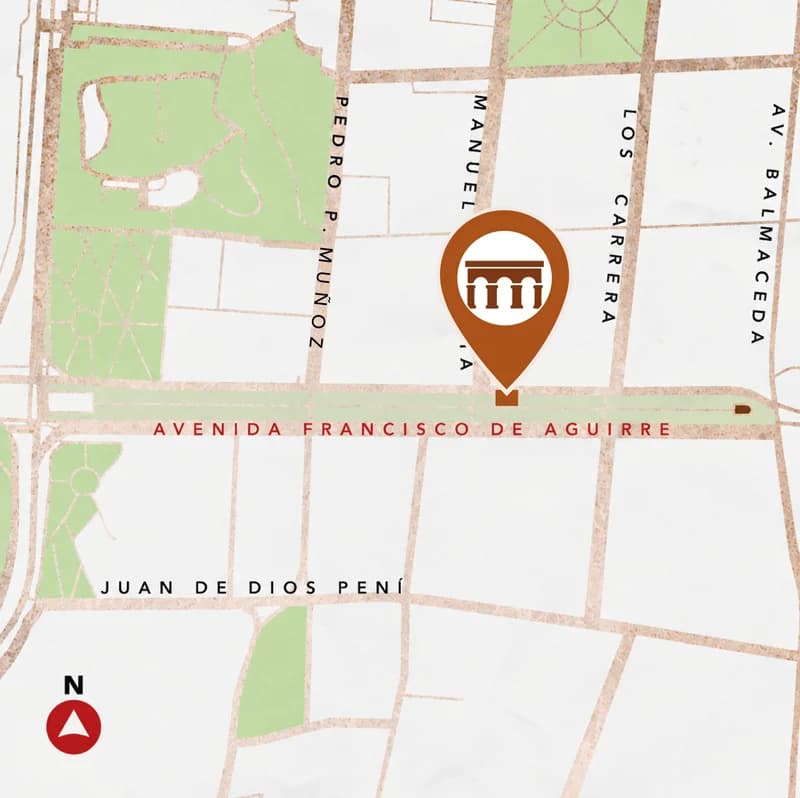
Antinous, the young companion of Emperor Hadrian, died in the Nile in 130 CE. The cult promoted after his death gave rise to numerous idealised portraits combining youthful features, abundant curls and a restrained expression. The sculpture on Avenida Francisco de Aguirre represents this figure as a nude young man in contrapposto.
The La Serena statue most probably reproduces the Farnese Antinous in the Museo Archeologico Nazionale di Napoli, inventory 6030. This remains a supported interpretation: the historical account places the model in Naples, and the dimensions, hairstyle and position of the left arm support the comparison, but no purchase document explicitly identifies that inventory number. The Naples statue combines an ancient torso associated with the Polyclitan Doryphoros tradition and a Hadrianic portrait head formerly in Pietro Bembo’s collection. The head was mounted onto the torso in the second half of the sixteenth century; the arms and legs of its historical configuration are restorations. Polyclitus is a stylistic antecedent, not its documented sculptor.
In his Memoirs, published in 1975, Gabriel González Videla describes the La Serena sculpture as a modern reproduction of a second-century Roman original kept in the National Museum in Naples. He records a height of 1.95 m and its acquisition from the Cesare della Seta Gallery on Via del Babuino in Rome. The gallery was the place of purchase; the sculptor or workshop that carved the reproduction has not been documented. The wider acquisition programme required white Carrara marble for sculptures intended for outdoor display, although the specific geological origin of this piece has not been individually verified.
The Sculpture Promenade is documented during the Plan Serena inauguration events of 30–31 October 1952, but the individual installation date of Antinous is not established. A 2024 municipal loan agreement includes it among the avenue’s sculptures under the name Antinoo. A frontal photograph taken in 2011 shows the distal section of the anatomical right arm missing; the date and cause of that loss, and the sculpture’s subsequent restoration history, are not documented in the research consulted.
Work record
Technical Data
AUTHOR
Anonymous Roman sculptor or workshop (probable ancient model); sculptor or workshop of the La Serena reproduction undocumented. Acquired from the Cesare della Seta Gallery, Rome.
CHRONOLOGY
Modern marble reproduction acquired before the Plan Serena inauguration of October 1952; exact carving date undocumented. Probable reference model: Roman components of the first–second centuries CE, with a Hadrianic portrait head and a documented sixteenth-century assembly.
MATERIALITY
White marble
TECHNIQUE
Marble carving
MOVEMENT
Roman imperial art (modern reproduction)
WORK DESCRIPTION
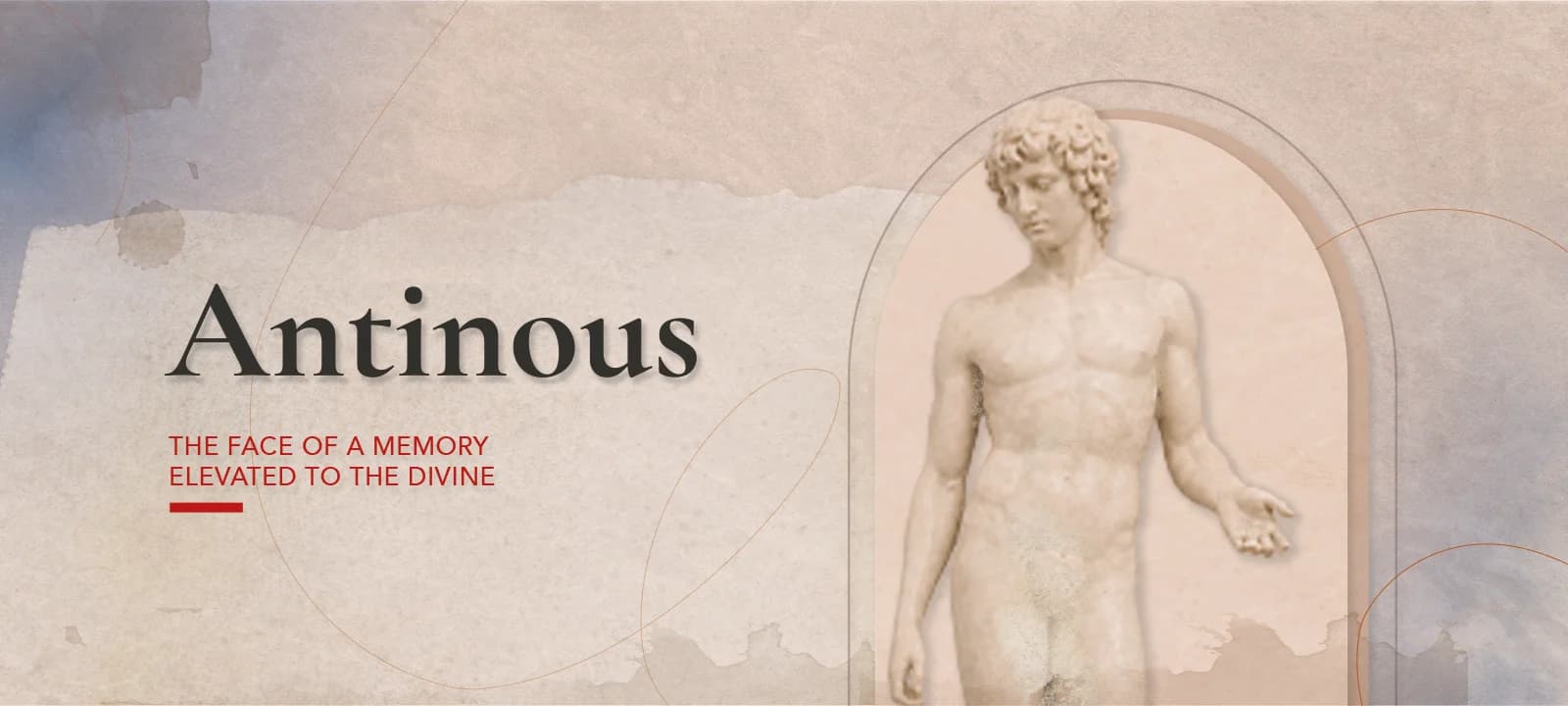
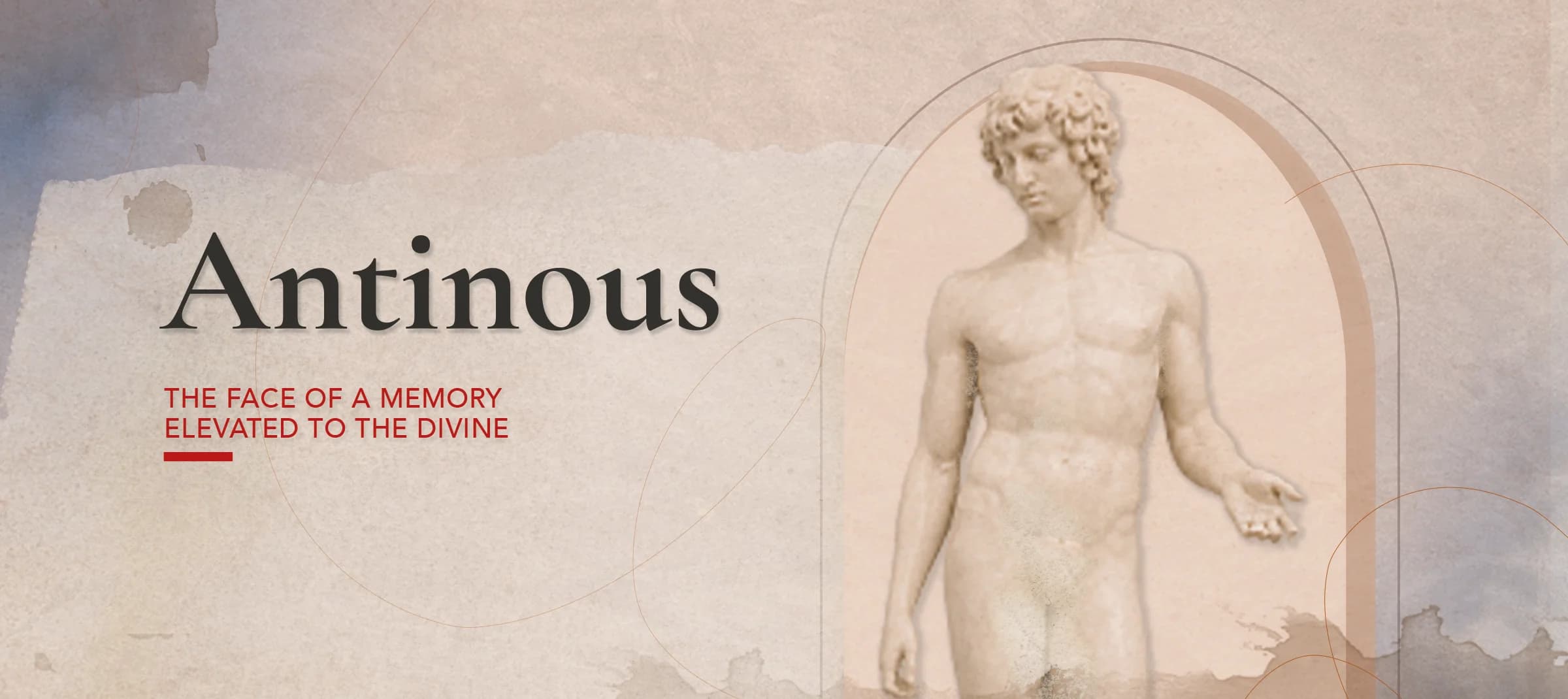
A nude, idealised young male figure in contrapposto, with the weight resting on the right leg and the left leg relaxed. The head tilts down and turns to the right; large, thick, wavy locks frame the forehead, temples and ears. A tree-like vertical support stands beside the right leg. The left arm is bent, with the forearm projecting outwards and the open palm facing upwards. The contrast between the supporting leg and the relaxed limbs gives the figure a balanced, restrained pose.