
Bather – Sculpture in La Serena


Work
Bather
Author
Gaetano Mercanti
Year
Second half of the 19th century



Work narrative
History
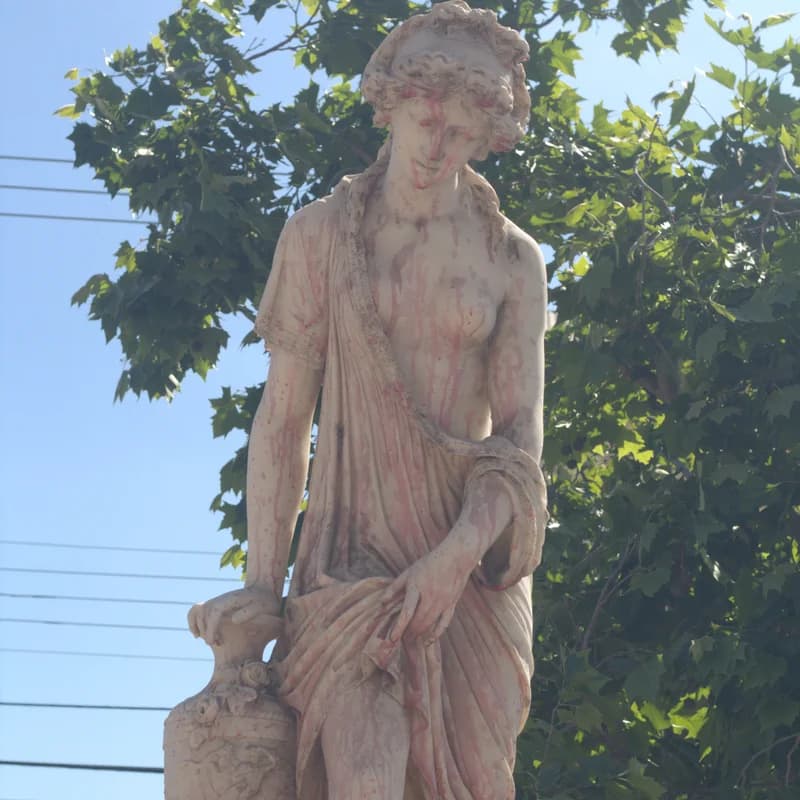
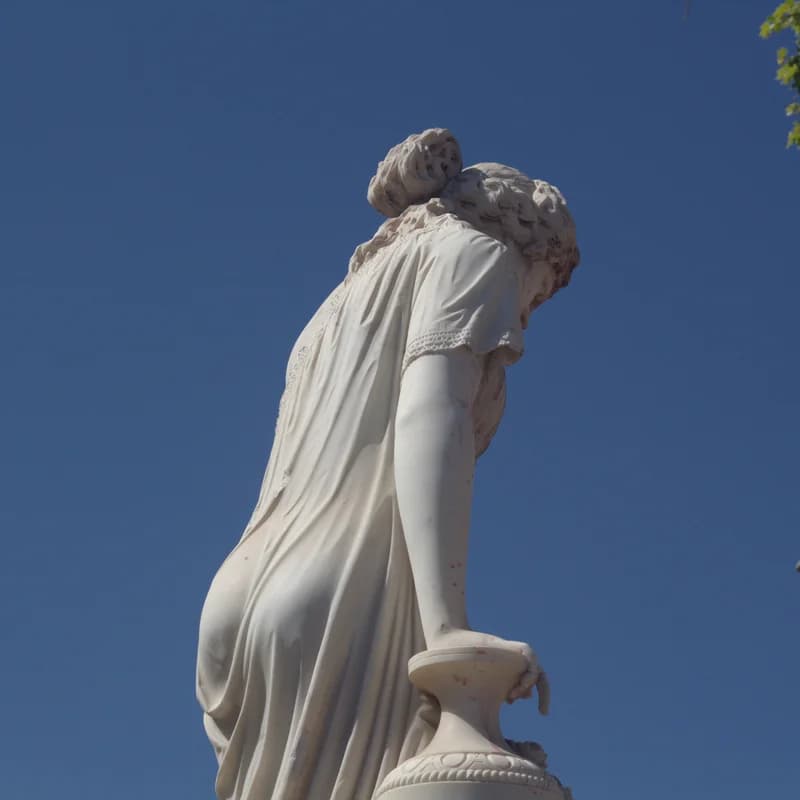
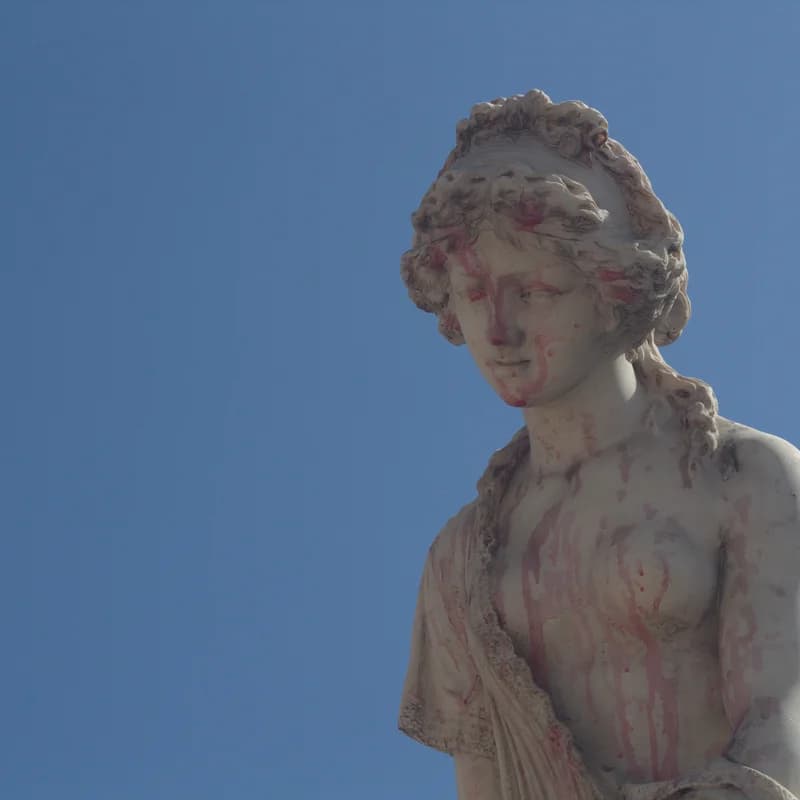
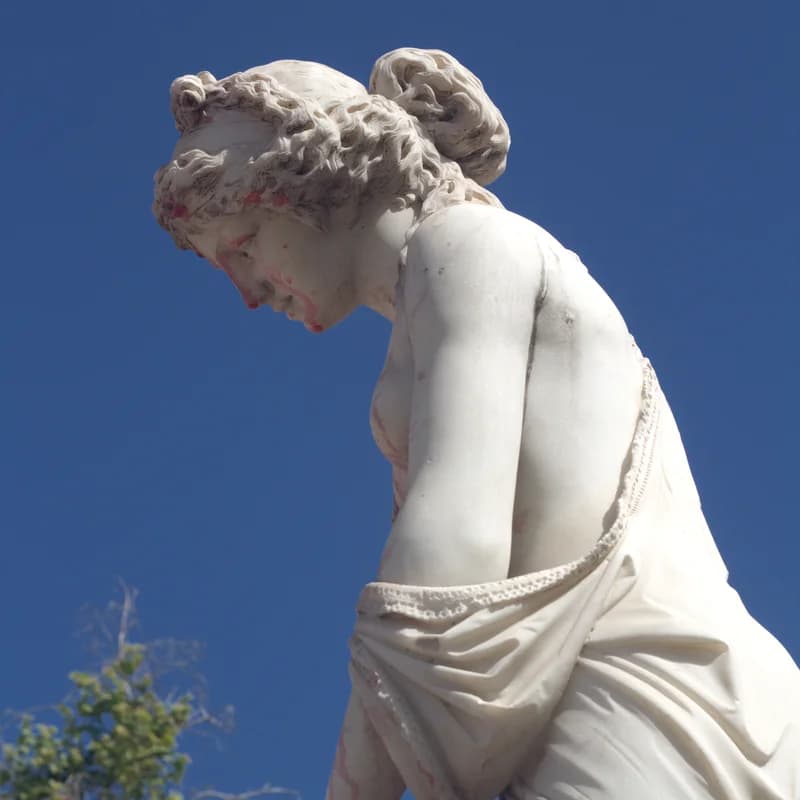
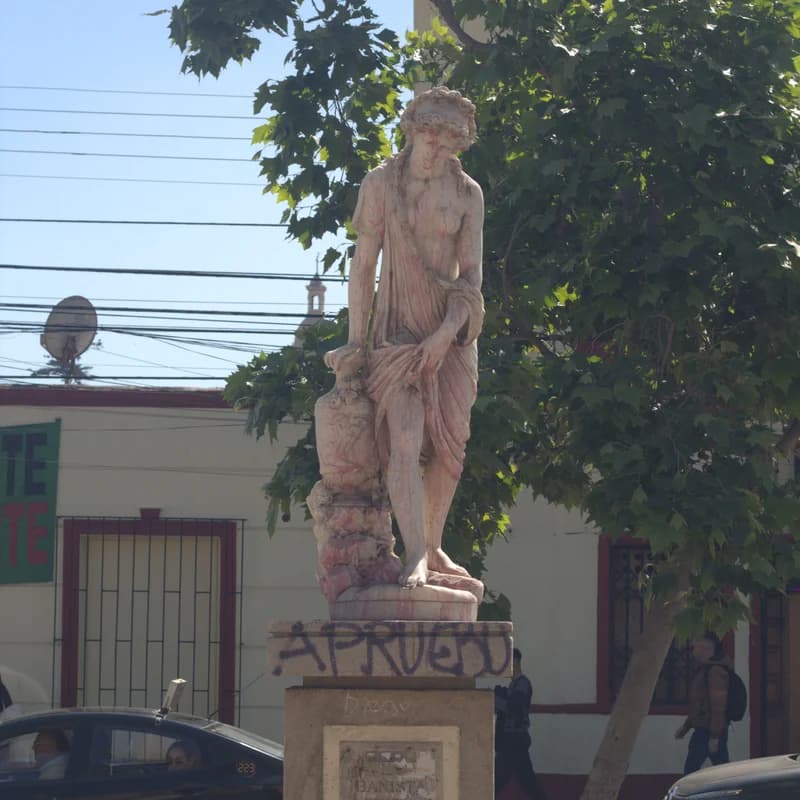
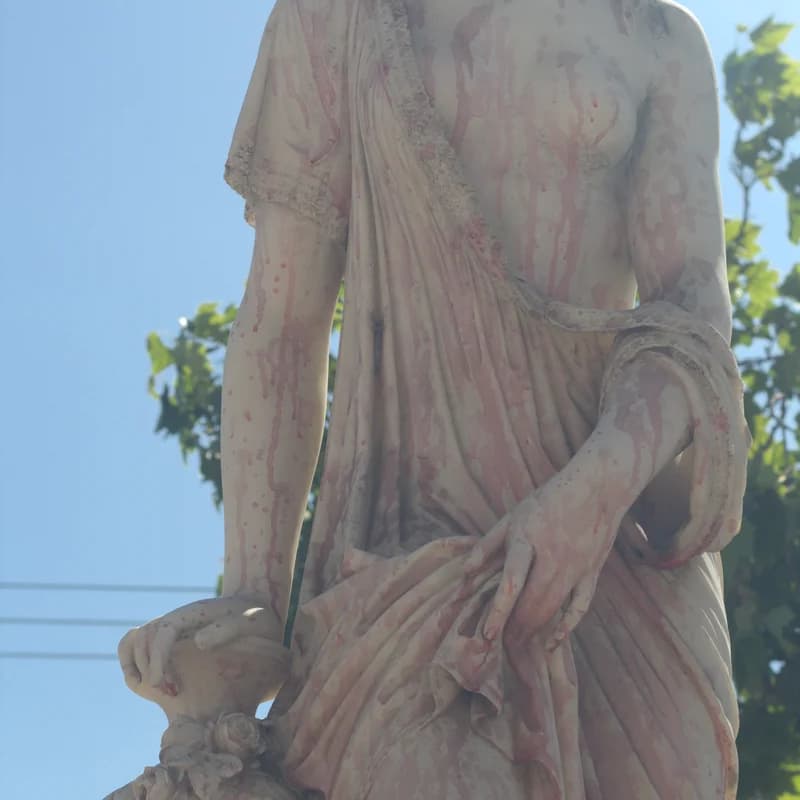
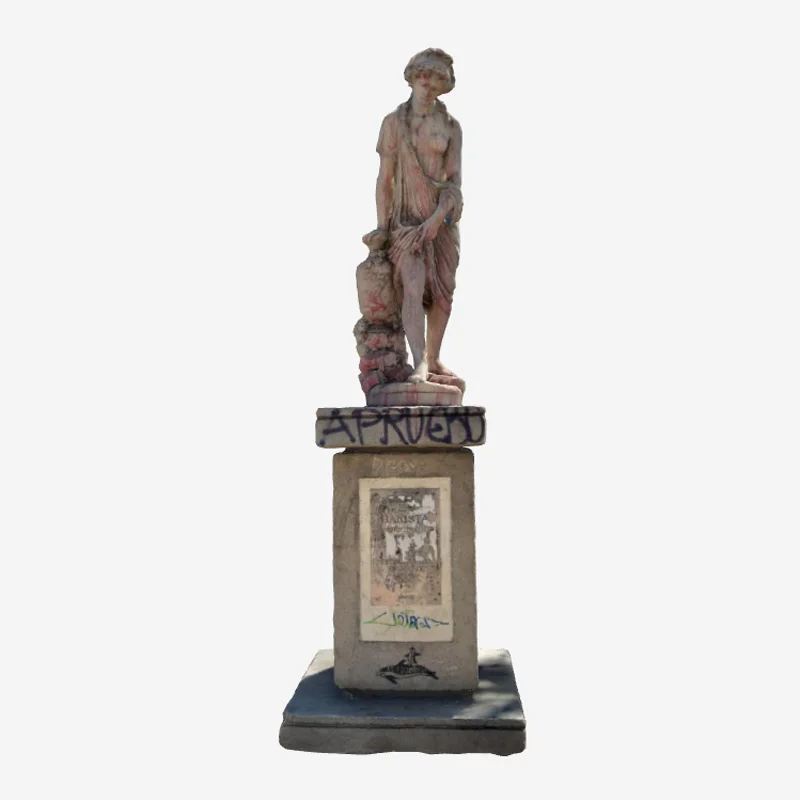
Bather depicts a young woman gathering her cloth beside an ornamented urn. The partial nudity, restrained gesture and contrast between the smooth body and the folds connect the composition with the classical tradition of bathing subjects, cultivated by nineteenth-century Italian academic sculpture.
The sculpture is an original work by Gaetano Mercanti and retains his cursive signature, incised on the base of the sculpture itself. In his Memoirs, published in 1975, Gabriel González Videla records it as “Bañante, by Mercanti,” with a height of 1.65 metres, and explicitly describes it as an original signed sculpture. It was purchased in Rome from the gallery named “Massino Tuena” in the catalogue, on Via Margutta, for the open-air museum formed during the Plan Serena. That name probably refers to the Galleria di Massimo Tuena, documented at Via Margutta 53b during the post-war period.
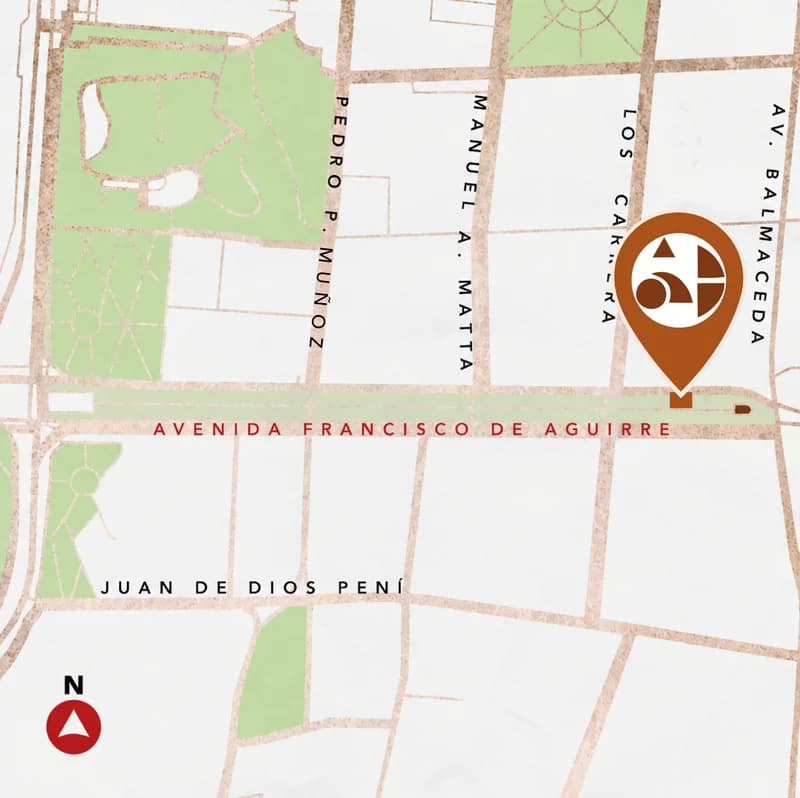
In 2007, the Centro Nacional de Conservación y Restauración included La Bañista among the sculptures inspected to discuss future treatments. The 2024 municipal loan agreement identifies it as “Escultura La Bañista.” These records form part of its heritage history; its individual arrival date in Chile and installation date on the avenue remain undocumented.
Work record
Technical Data
AUTHOR
Original work signed “Gaetano Mercanti” on the plinth.
CHRONOLOGY
Original work from the second half of the nineteenth century; exact execution date undocumented.
MATERIALITY
White marble
TECHNIQUE
Marble carving
MOVEMENT
Classically inspired Italian academicism
WORK DESCRIPTION
A young female figure stands partially nude, with her head slightly inclined and her wavy hair gathered up. A cloth descends from the right shoulder and crosses the torso, leaving the left breast uncovered; its folds wrap around the hips and legs. The left hand gathers the fabric beside the thigh, while the right rests on a lateral urn ornamented with reliefs. A rock-like support with plant motifs and flowers accompanies the urn. The cursive signature “Gaetano Mercanti” is incised on the base of the sculpture itself.
General Gallery


