
Young Woman – Sculpture in La Serena


Work
Young Woman
Author
Anonymous
Year
Mid-19th century



Work narrative
History
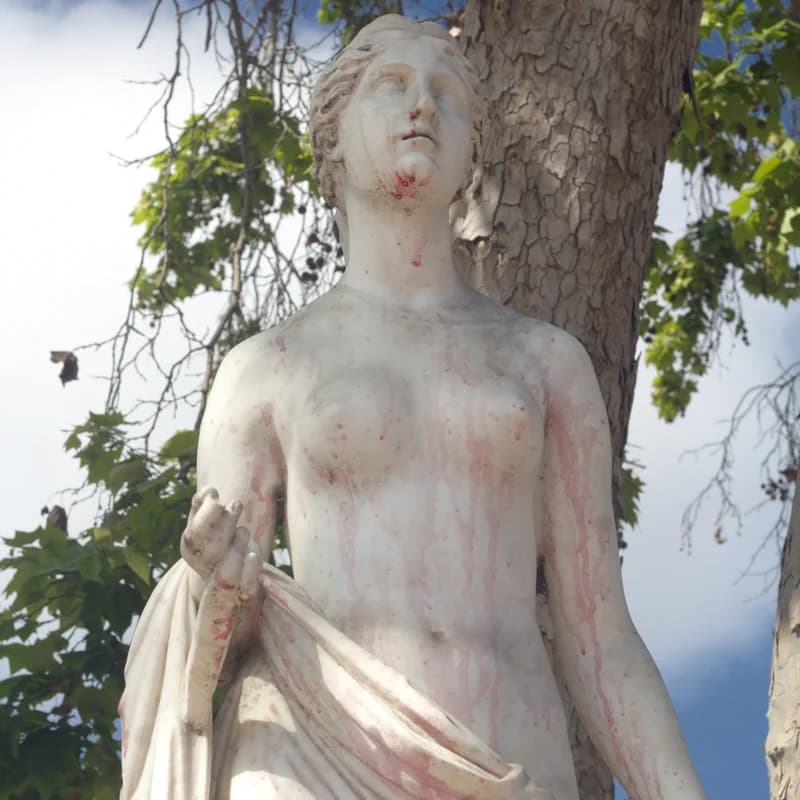
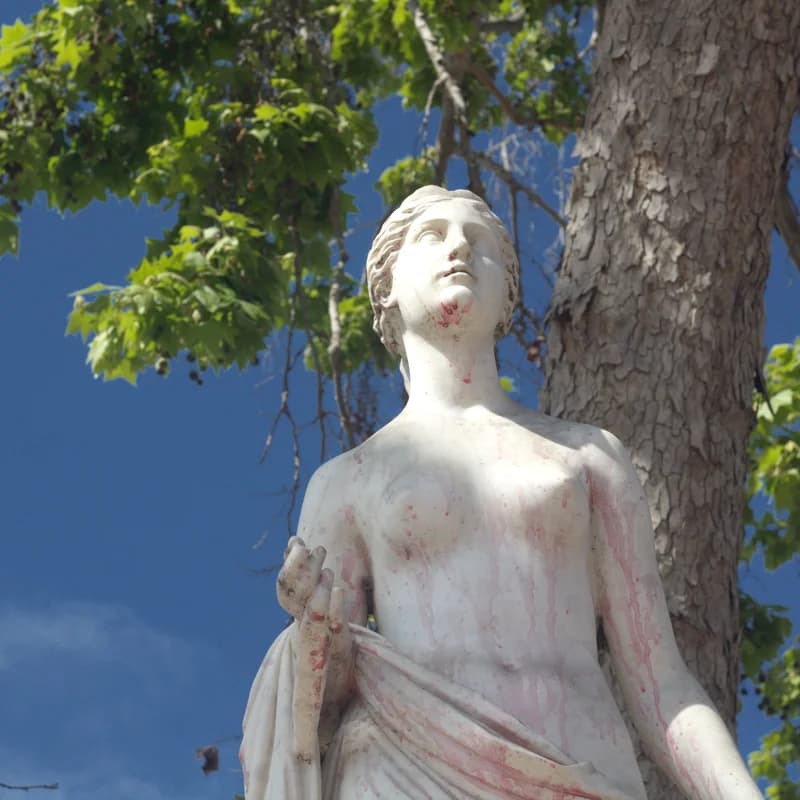
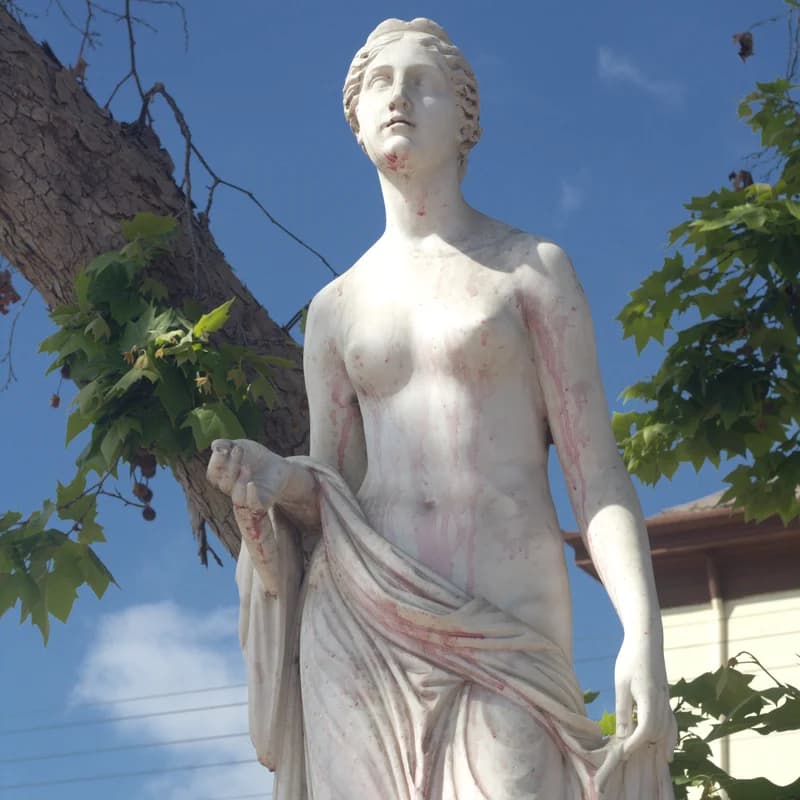
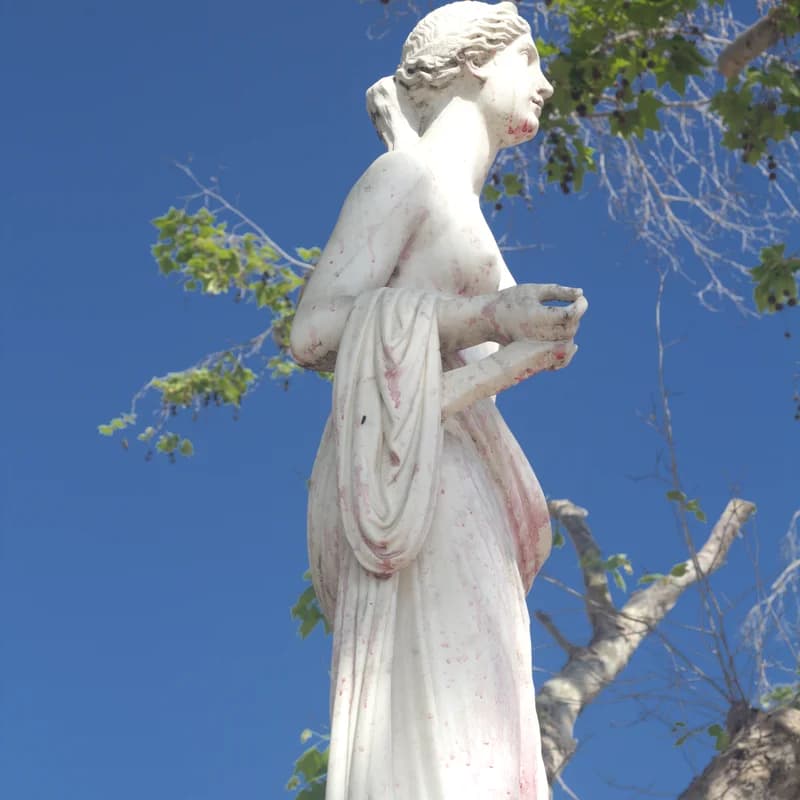
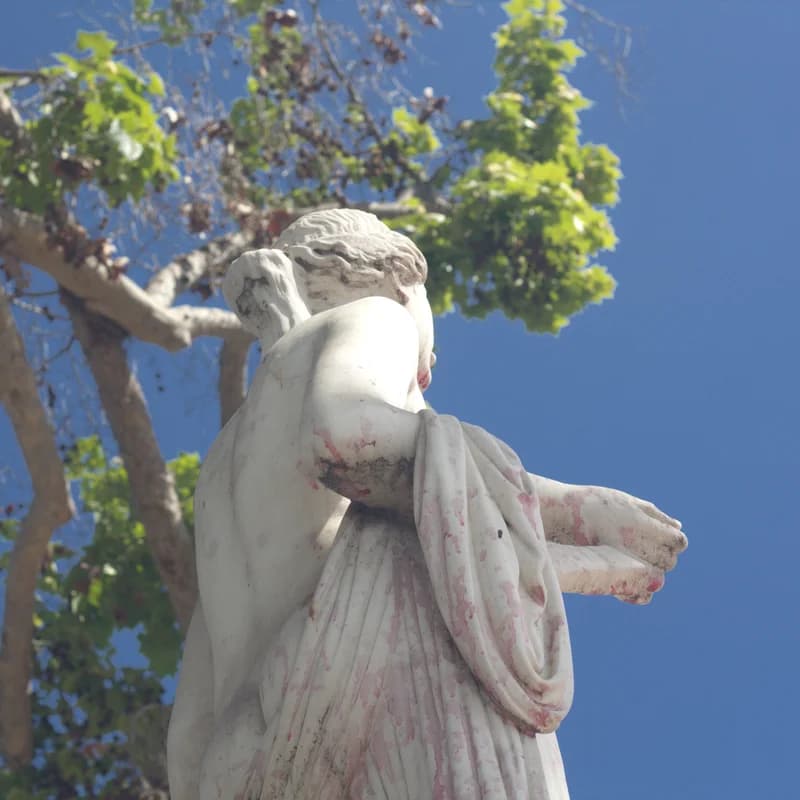
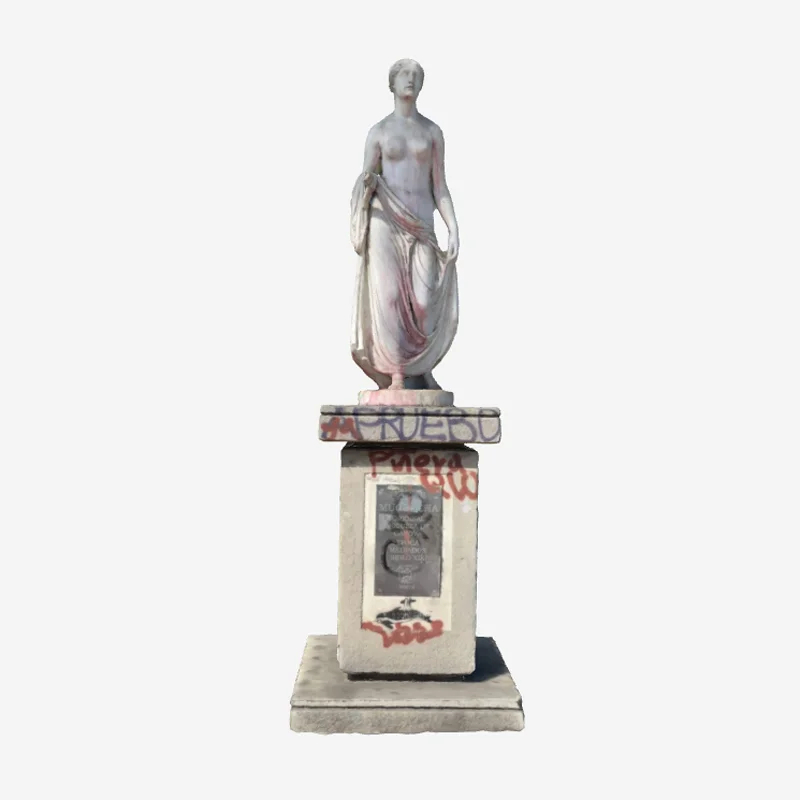
Young Woman depicts an idealised young female figure holding the cloth (drappo in Italian) that covers her lower body with both hands. The uncovered torso, balanced pose and contrast between anatomy and folds connect the composition with the classical tradition of female figures. Her gesture allows comparisons with Venus, nymphs and bathers, although it does not by itself identify a particular deity or character. Muchacha is the historical Spanish name retained in the La Serena collection.
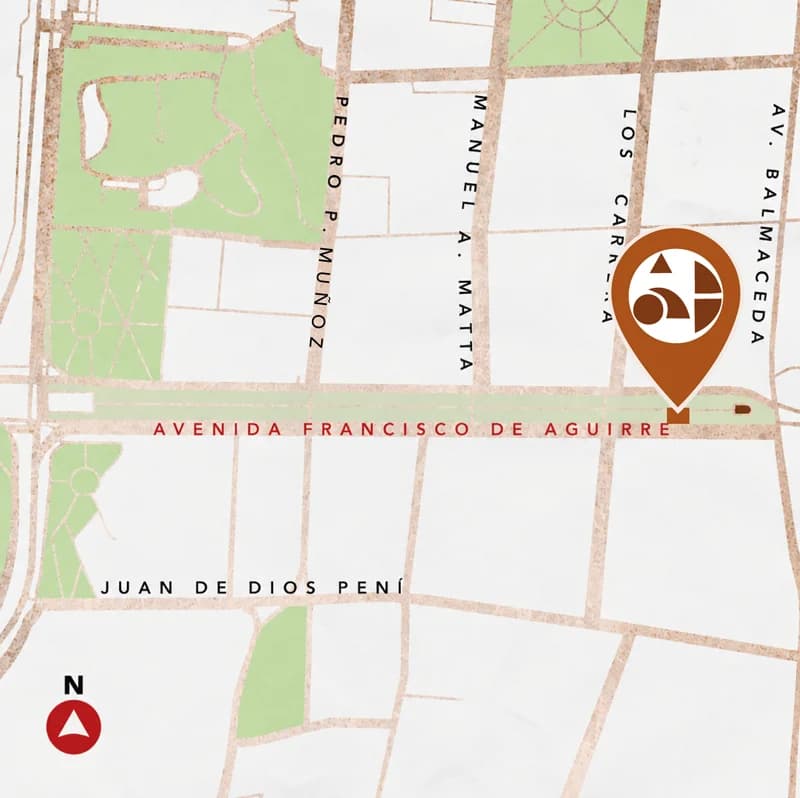
In his Memoirs, published in 1975, Gabriel González Videla records it as “Muchacha, school of Canova.” He describes it as an original mid-nineteenth-century sculpture in Carrara marble, purchased in Rome from the Massino Tuena Gallery on Via Margutta for the open-air museum created during the Plan Serena. The Associazione Antiquari d’Italia documents the Galleria di Massimo Tuena at Via Margutta 53b during the post-war period. This record places the gallery within Rome’s art market at that time; the sculpture’s acquisition is recorded in the Memoirs.
The expression “school of Canova” historically connects the piece with the continuation of Antonio Canova’s Neoclassical language, not with authorship by the master or an identified pupil. Canova lived from 1757 to 1822; Young Woman’s traditional mid-nineteenth-century date places it in a later period. It remains catalogued as an original work, with no identified reference model, and its sculptor remains anonymous.
Among the piece’s later records, the Centro Nacional de Conservación y Restauración mentions La Muchacha among the sculptures inspected in 2007 to discuss future treatments. The 2024 municipal loan agreement identifies it as “Escultura La Muchacha.” These records form part of its heritage history, without documenting a completed restoration. Its exact arrival date in Chile and individual installation date on the avenue remain undocumented.
Work record
Technical Data
AUTHOR
Sculptor and workshop undocumented. Historically catalogued as “school of Canova,” without a confirmed attribution to a specific sculptor.
CHRONOLOGY
Original mid-nineteenth-century work according to the historical catalogue; acquired in Rome for the Plan Serena.
MATERIALITY
White marble
TECHNIQUE
Marble carving
MOVEMENT
Neoclassical tradition
WORK DESCRIPTION
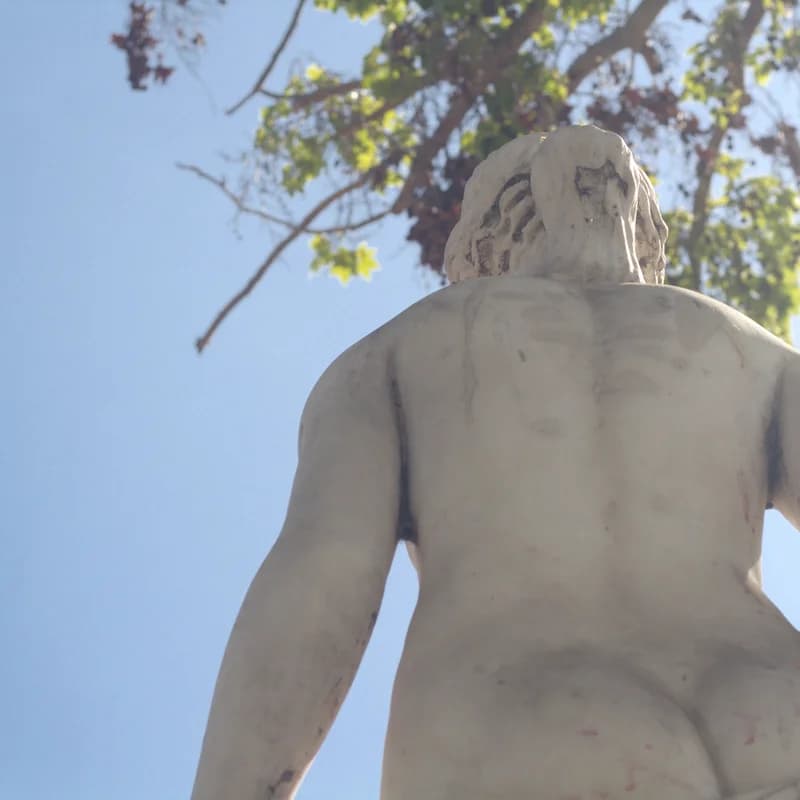
An idealised young female figure stands barefoot in gentle contrapposto. Her torso is uncovered, while a cloth (drappo in Italian) covers the hips and legs, with folds descending to the feet. Both hands hold the cloth: the right hand, raised beside the waist with its palm facing upwards, supports the fabric; the lower, lateral left hand holds the other end. The arms extend away from the body, opening the composition. The head turns slightly, and the wavy hair is gathered at the nape.
General Gallery


